
1995 ‘Sex Change Operation’ Took Place at Clínica de Santa Catarina
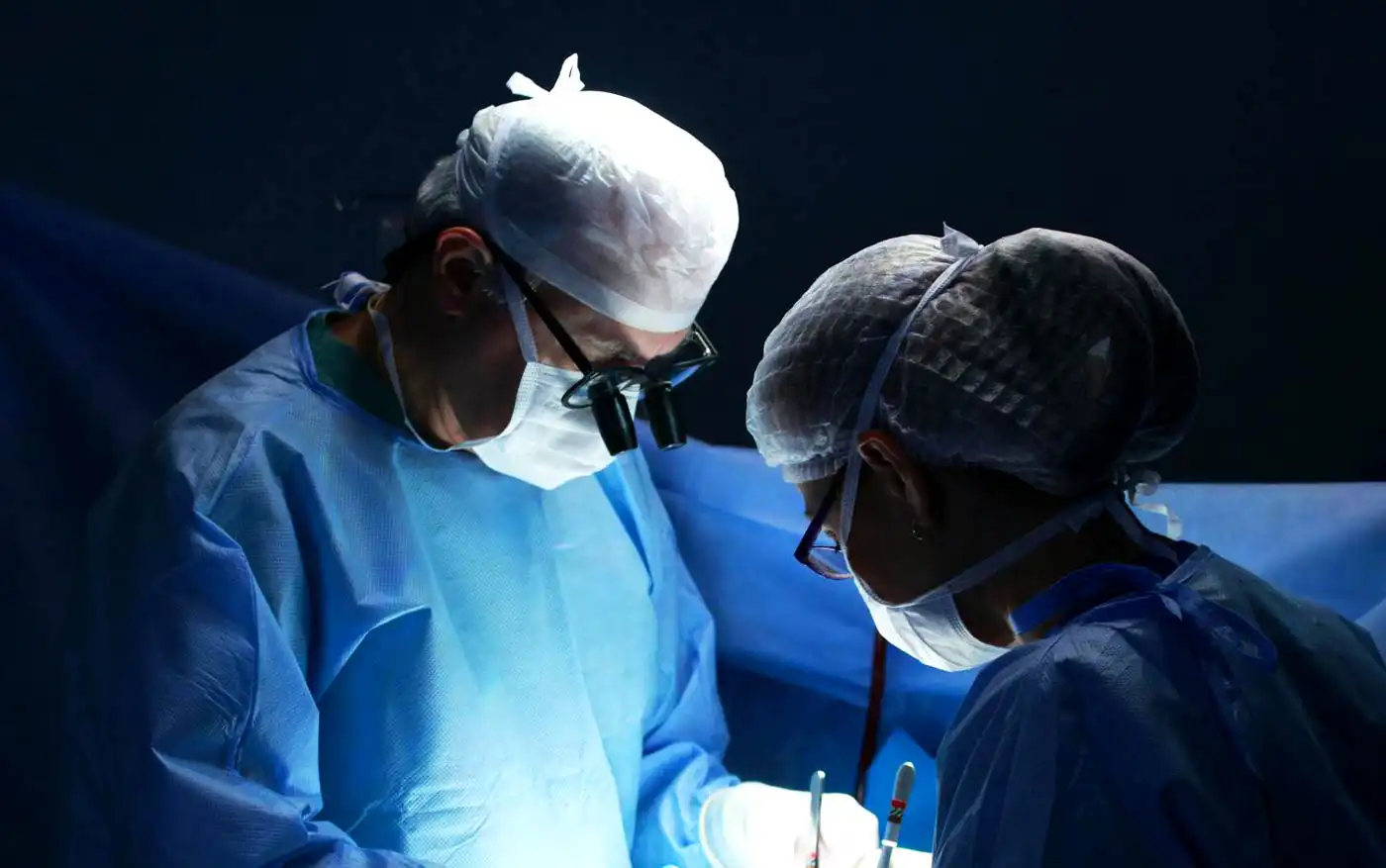
Thirty years ago, the first gender-affirming surgery (‘sex change operation’) in Madeira was performed at Clínica de Santa Catarina (Hospital da Luz do Funchal) in Funchal. The event, reported on October 28, 1995, by Diário de Notícias Madeira, represented a pioneering step.
According to the original report, “the patient was in the normal phase of post-operative recovery.” At that time, gender-affirming procedures were rare and medically complex. The surgery involved transforming male genital organs into female ones.
Procedure Used a Technique Applied Only “Three or Four” Times in Portugal
The 1995 surgery in Madeira used a method that had only been applied “three or four” times before in Portugal, according to the newspaper’s account. It was described as “an anatomically very delicate and lengthy procedure,” highlighting both its technical challenge and medical precision.
Surgeons at the Funchal clinic performed the operation on an adult patient, making it distinct from most similar cases at the time, which were usually conducted in infancy.
Surgery Typically Reserved for Congenital Conditions
The report explained that such operations were typically carried out in cases of congenital malformation, where both male and female genital characteristics are present. In those situations, doctors would surgically affirm one sex - “in general the female” - ideally before the child reached one year old.
In this case, however, the decision was made by an adult individual. The newspaper noted that the procedure “was based on the personal decision of the interested party,” signaling an early example of self-determined gender transition in Portugal.
Thirty Years On, Event Seen as Part of Madeira’s Medical History
The 1995 operation remains a significant milestone in Madeira’s healthcare record. It demonstrated medical innovation and challenged cultural and ethical norms of the time.
First Ever Male to Female Gender-Affirming Surgery Took Place in 1930-1931
The first recorded gender-affirming surgery took place in 1930–1931 in Dresden, Germany, involving Lili Elbe, a Danish painter. The procedure aimed to transition her from male to female. Though highly experimental and risky, Lili Elbe’s case became a landmark in transgender medical history. A series of four operations were carried out over a period of two years. After her fourth surgery, Lili Elbe’s body rejected the transplanted uterus, since immunosuppressant drugs did not yet exist. The resulting infection led to cardiac arrest and her death on September 13, 1931, in Dresden.
Source: Diário de Notícias Madeira



Comments