
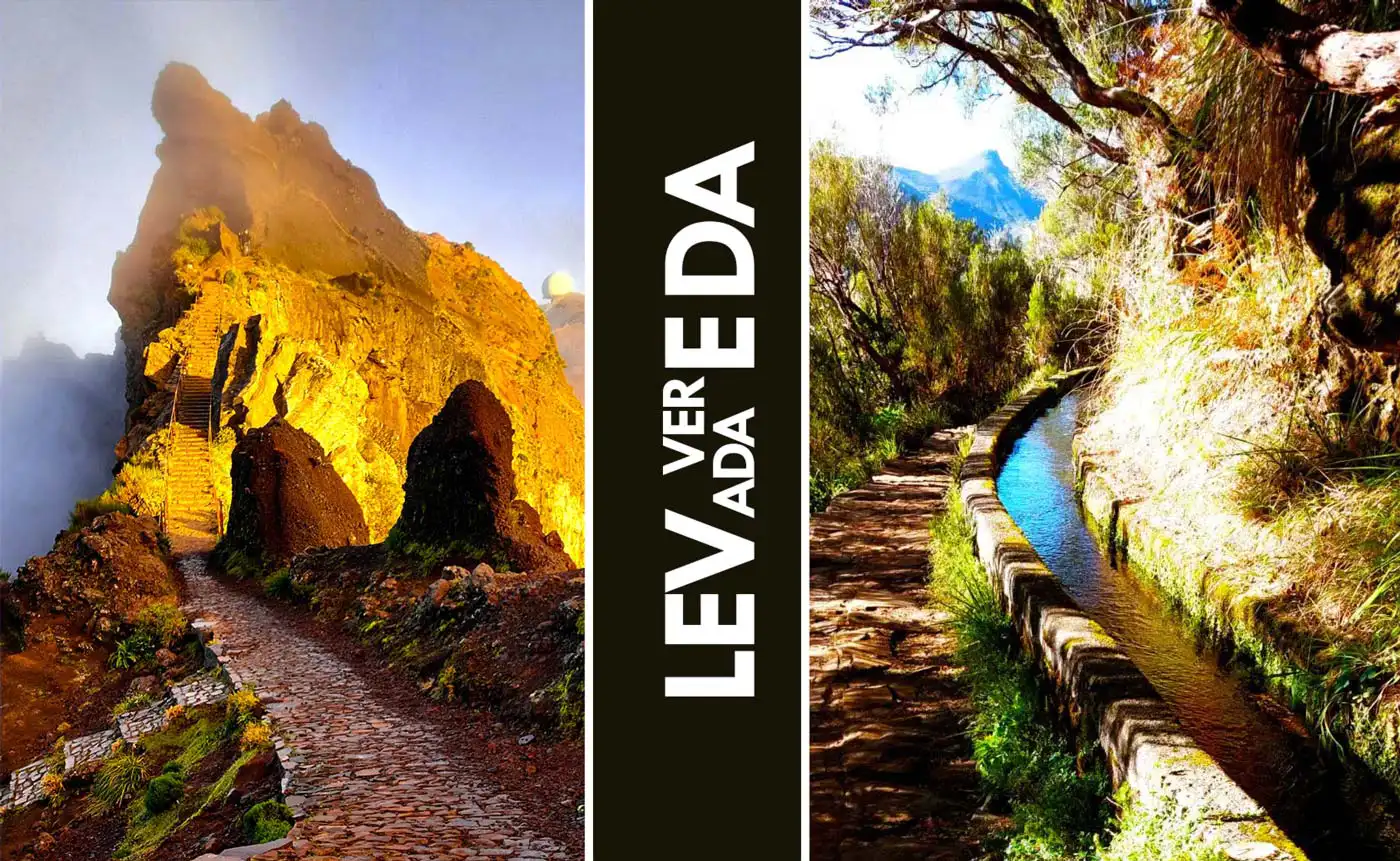
For many travelers arriving at Funchal Airport, the rugged interior of this volcanic island represents a hiker's paradise. However, local authorities often issue a vital clarification for the thousands of tourists who arrive each month: not all trails here are the same.
In Madeira, the distinction between a levada and a vereda is a matter of both engineering history and physical safety.
Levadas Date Back to the 15th Century Irrigation System And Have Gentle Slopes
A levada is a narrow irrigation canal unique to the island. Since the 15th century, these channels were built to move water from the humid north to the dry agricultural fields in the south. Today, there are approximately 3,000 kilometers of these channels across Madeira
The paths that run alongside them were originally designed for maintenance workers, the so-called levadeiros. Because they follow the flow of water, levadas have very gentle slopes. This design comes directly from hydraulic needs rather than a plan for walking comfort.
The "levadeiro" is defined as the man in charge of water distribution, the truth is that this occupation, one of the oldest in the archipelago and common to all municipalities, includes other functions related to the maintenance of these irrigation canals.
They offer a flat walking surface, making them popular for people who want to see the forest without climbing steep peaks. However, they often lead hikers through narrow tunnels or along high cliffs with significant drops.
Veredas Developed as Footpaths for People and Goods
While levadas follow the water, veredas follow the terrain. A vereda is a traditional walking trail that does not follow irrigation lines. Historically, these were used to move people, animals, and goods across mountains and coastal areas. They were the primary way for locals to travel between isolated villages before the modern road system was built.
Unlike the flat levadas, veredas involve steep stone steps and constant changes in elevation. These trails show the island’s natural shape more directly, with fewer attempts to soften the landscape for easy passage. They provide expansive views of the Atlantic Ocean and the central mountain range, but they require a higher level of physical fitness and better equipment.
Safety Rules Differ Between Water Channels and Exposed Peaks
Safety requirements change depending on the trail type. Levada walks often include tunnels and narrow ledges beside flowing water, where flashlights or even helmets are recommended. Veredas, by contrast, are often located on open terrain. This means hikers face higher risks from strong wind, intense sun exposure, and long climbs without shade.
The main danger is the overconfidence of the hiker. A levada looks easy because it is flat, but the ground can be slippery and the tunnels are dark.
Official Network Labels 28 Primary Routes to Help Walkers
The regional trail system labels both types of paths under the "PR" (Pequena Rota) network. There are currently 28 primary classified routes on the island of Madeira, numbered PR1 to PR28. While some of these include sub-paths, bringing the total number of managed trails to 33, the PR system is the official guide for all visitors. Signposts and maps usually state whether a route is a Levada or a Vereda, which helps walkers understand exactly what to expect regarding terrain and difficulty.
In practice, a hiker often starts on a vereda to reach the water, or follows a levada until the terrain forces the path to become a mountain trail.
Key Differences at a Glance
Levada Trails
Origin: Built for irrigation and water transport from the 15th century onward.
Terrain: Characterized by gentle slopes and flat surfaces to allow water flow.
Unique Features: Often include water channels, narrow maintenance paths, and dark tunnels.
Difficulty: Generally less steep, but can be narrow with high drops.
Vereda Trails
Origin: Historic footpaths used for moving people and goods between villages.
Terrain: Follows the natural landscape, often rising and falling sharply.
Unique Features: Steep stone steps, exposed mountain ridges, and coastal cliffs.
Difficulty: Physically demanding with high elevation changes and exposure to the elements.


Comments