
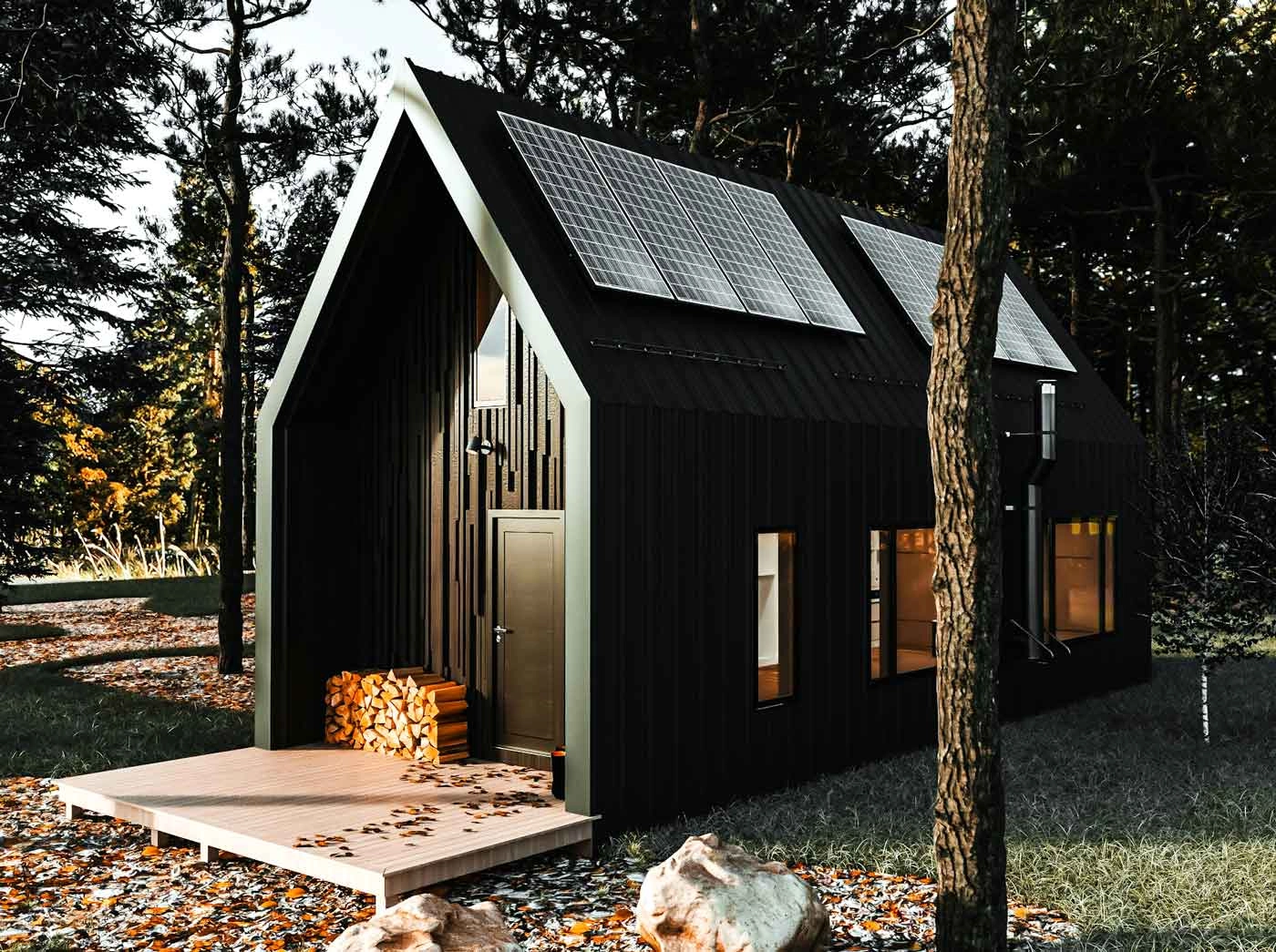
Homeownership in Madeira has become a challenge for many. Tiny houses offer a practical and affordable solution, combining compact living with sustainability and flexibility. As housing costs rise, these small, modular homes are attracting attention from those seeking an alternative to traditional housing.
What Is a Tiny House and How Big Are They?
A tiny house is a small, self-contained home, usually under 50 square meters. They focus on minimalism and efficiency, often including multi-functional spaces and sustainable features. Tiny houses can be built in a fixed location or on trailers for mobility.
Some models have two floors and can accommodate up to five people, while prices range from €25,000 for basic models to under €100,000 for fully equipped units. Their compact size and modular construction make them an appealing option for those seeking affordable housing.
Why Tiny Houses Are Affordable and Practical in Madeira
Tiny houses are cheaper to build and maintain than traditional homes. They can be manufactured off-site in factories, which lowers construction costs, and reduced living space means lower utility bills. They come in various types: on trailers for easy relocation, built from shipping containers, foldable models, or prefabricated modular units. As Francisco Salgado from UNIT Living explains:
Our units are manufactured in 12 weeks, in the factory, and then delivered to the site, fully finished, using the 'plug & play' concept, meaning there is no construction or assembly of the units' elements on site. The units are a product created and manufactured in Portugal, using almost exclusively Portuguese materials, from the wood to the equipment
Francisco Salgado from UNIT Living, Idealista
Smaller homes also require less maintenance, and their flexibility makes them suitable for Madeira’s service-based, seasonal economy.
Licensing Tiny Houses in Portugal Depends on Land Type and Purpose
Licensing a tiny house in Portugal is not straightforward and depends on land type, foundation, and the intended use of the structure. Different rules apply depending on whether the house is for urban living, rural use, mobility, or tourism. Licenses are generally required for any dwelling over 15 square meters.
Urban Land Requires Full Construction License
Tiny houses on urban land must be fixed to the ground and connected to water, electricity, and sewage networks. Municipal licensing is required, including architectural and technical plans, similar to traditional housing.
Rural Land Allows Only Agricultural or Tourism Houses
Permanent housing is not allowed on rural land. Exceptions exist for houses used for agricultural or forestry support or tourism projects approved by local authorities and Turismo de Portugal. Without these approvals, permanent residence on rural land is illegal.
Mobile Tiny Houses Are Treated as Recreational Vehicles
Tiny houses on trailers do not require a construction license but cannot serve as permanent homes. If they remain in one location, a prolonged parking permit may be necessary.
Tourism-Oriented Tiny Houses Require Specific Licenses
For tourism projects like glamping, tiny houses need a tourism license from Turismo de Portugal and municipal approval. Even though the rules are more flexible than urban housing regulations, a formal project and compliance with legal standards are mandatory.
Practical Challenges When Building a Tiny House
Building a tiny house requires careful planning. A suitable plot with proper permits is essential. Houses connected to the grid need water, electricity, and a waste disposal system. Autonomous solutions are possible but more expensive:
Electric autonomy: ~€4,000
Water autonomy (with filtration and tank): ~€3,500
Gas heating: ~€2,500
Where to Find Tiny Houses in Madeira
Tiny houses are not yet widely available on the island. PTM Tiny Houses Madeira previously advertised and built homes locally but appears inactive online. However, listings can still be found on platforms like Idealista.
One recent listing on Idealista - now offline - in Caniço, Santa Cruz, included:
21 square meters
Two floors
Fully equipped kitchen and bathroom
Price: €50,000
These small homes offer an entry point to homeownership in a high-cost market.
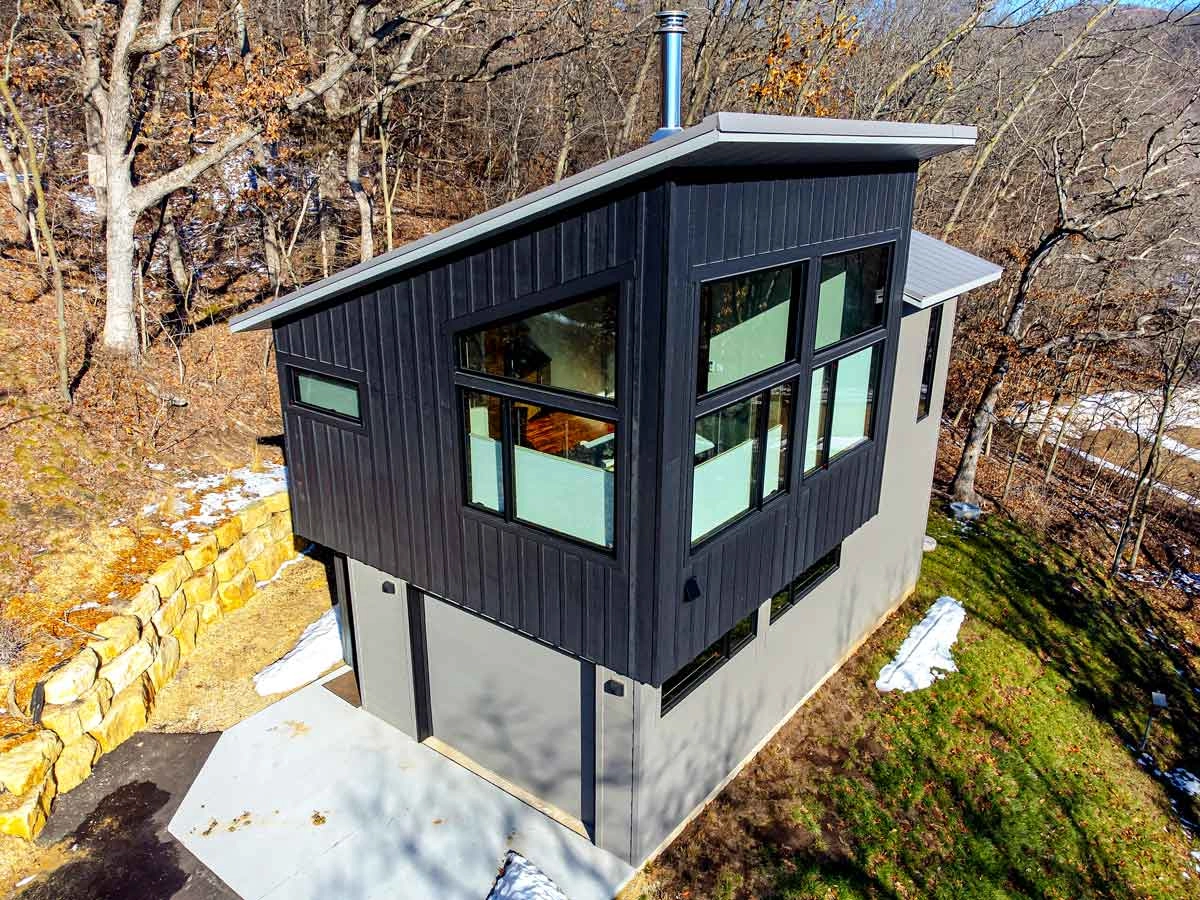
Tiny houses provide a path from renting to ownership, allowing residents to build financial stability. They are particularly suitable for Madeira’s economy, where seasonal work in tourism often requires mobility. With smaller living spaces, residents can relocate easily and avoid large investments in furniture or storage.
Madeira’s mild climate also complements tiny house living. Compact, well-designed homes encourage spending more time outdoors, enjoying the island’s natural beauty rather than relying on indoor space.
Would You Consider Living in a Tiny House in Madeira?
While tiny houses may not replace a lifelong home, they offer a realistic and affordable option for many residents. Their low cost and flexibility make them ideal for those seeking an alternative to expensive traditional housing. For Madeira, tiny houses can address housing shortages while fitting the island’s lifestyle and economy.
Would you consider living in a tiny house in Madeira? Share your thoughts and experiences in the comments.


Comments