
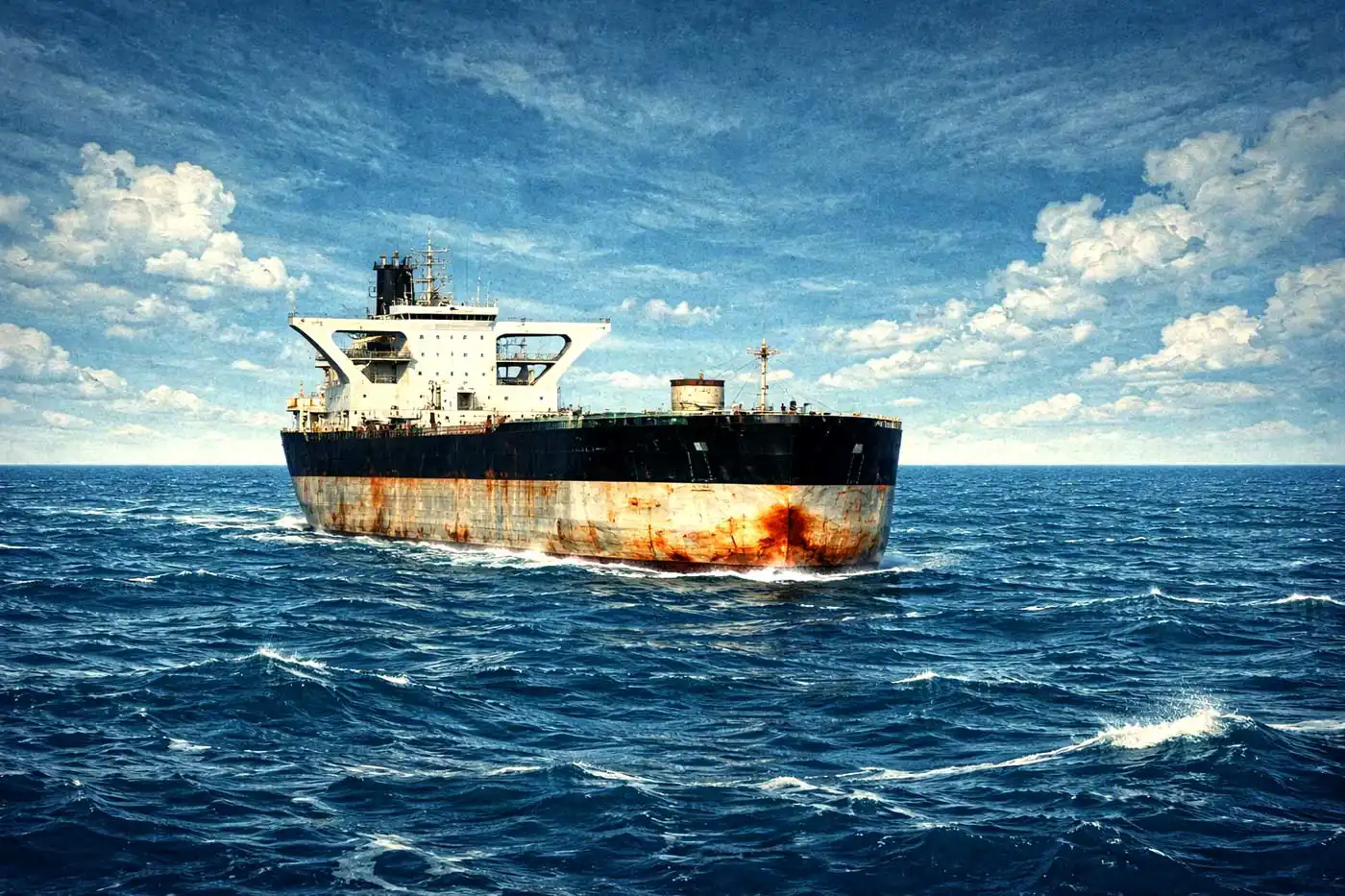
Tanker Marinera Taken Under U.S. Control 480 Kilometers South of Iceland
The United States has secured the Russian tanker Marinera during a military operation in the North Atlantic, according to NBC and U.S. officials. The vessel, part of what analysts call Russia’s “shadow fleet,” is now heading toward Scotland. The tanker had been attempting for more than two weeks to evade a U.S. blockade targeting sanctioned oil shipments. “The ship was secured without incident,” a U.S. official said, confirming the operation’s success.
https://twitter.com/US_EUCOM/status/2008897287691399504
▶️ Marinea (M/V Bella 1): Current Location in the Atlantic
Crew Tried to Avoid Capture by Renaming and Reflagging in Russia
Originally known as Bella-1, the tanker failed to dock in Venezuela to load oil. During its escape from the U.S. Coast Guard, the crew hastily painted a Russian flag on the hull and re-registered the ship under Russian authority mid-voyage. Analysts from Windward noted the unusual registration process, which appears designed to protect the vessel from U.S. seizure. Experts described it as a deliberate move to exploit a legal loophole.
Russia Escalates Naval Response with Submarine and Escort Ships
Following the tanker’s attempted evasion, Russia deployed a submarine and additional naval vessels as escort, according to the Wall Street Journal. The Kremlin also publicly criticized the U.S. action. Russia’s Foreign Ministry stated it was monitoring the situation “with concern.” The White House countered that the Marinera was effectively stateless and under false registration, and that a court order authorized its seizure. U.S. officials also cited prior sanctions against the tanker for allegedly transporting Iranian black-market oil linked to terrorist groups.
Marinera Part of Growing “Shadow Fleet” with Environmental and Security Risks
The Marinera is one of several sanctioned vessels targeted by the United States. Earlier, the tankers Skipper and Centuries were seized near Venezuela. Since Russia’s invasion of Ukraine, analysts estimate the shadow fleet has grown to more than 1,000 vessels, many over 15 years old and poorly insured. These ships often disable their tracking systems, raising concerns about illegal oil trade and environmental hazards.



Comments