
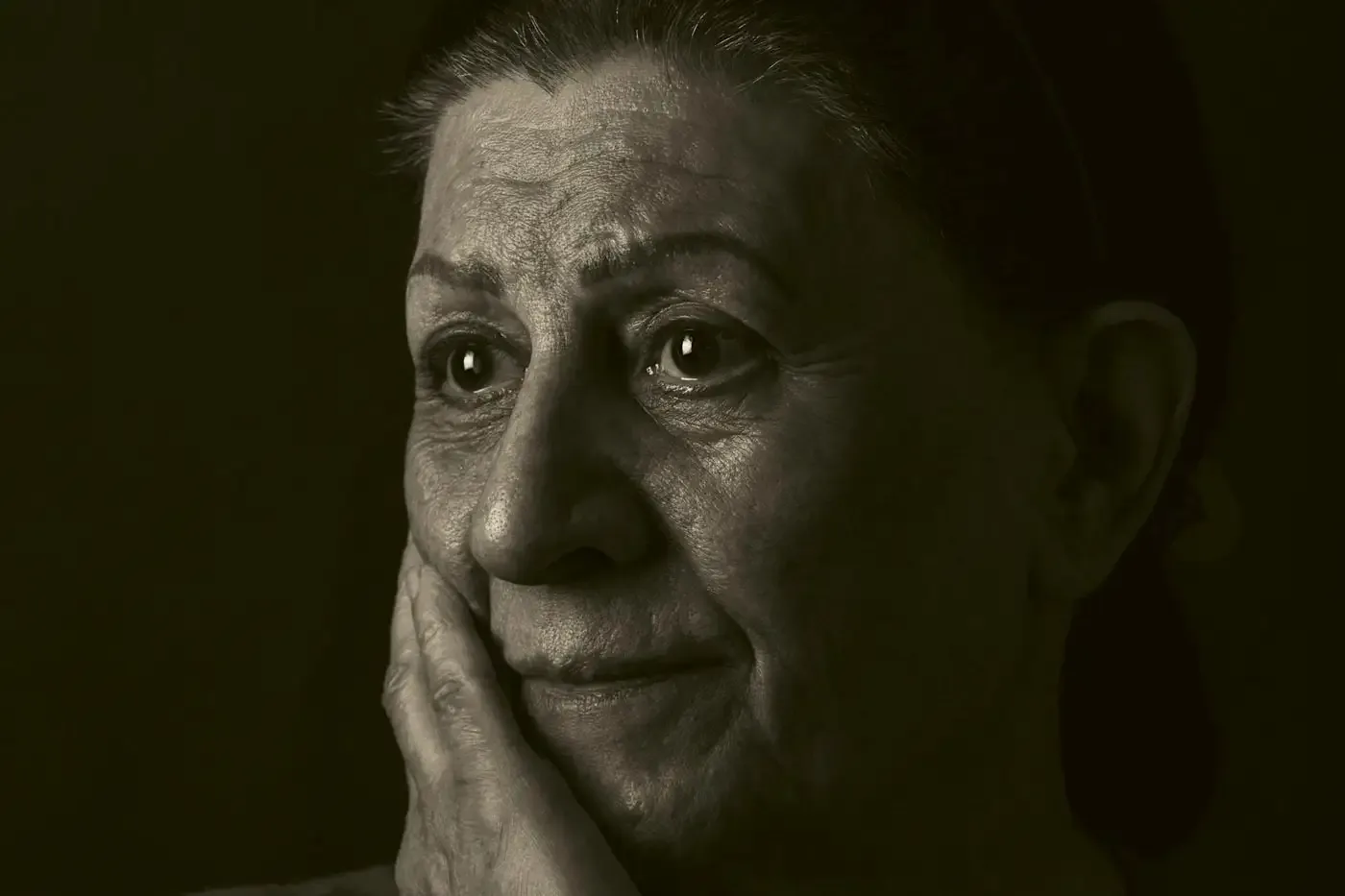
Canon Manuel Martins, a Catholic priest currently on medical leave, has questioned who truly benefits from Madeira's economic growth. He raised the question in a commentary posted on his social media account, responding to the Region's latest social indicators.
Martins acknowledges the economic progress the island has made. But he argues that good governance should be judged not just by the wealth an economy produces, but by how that wealth reaches ordinary people.
Madeira is growing. But who is benefiting from that wealth?
Manuel Martins, Catholic priest
Priest Has Led Parishes In Funchal And Machico
Martins is the former parish priest of the Sé Cathedral in Funchal and of Machico. He currently leads the parish of São Martinho, though illness is keeping him away from his duties for now.
53,000 Residents Faced Poverty Risk In 2025
Martins bases his commentary on figures published a day earlier, on October 15, by the newspaper DIÁRIO. About 53,000 Madeirans, equal to 20.5% of the population, were at risk of poverty or social exclusion in 2025.
That rate sits above the national average of 18.6%. Martins says the numbers should "worry the Region and force a serious rethink of the priorities of governance."
23.5% Live In Overcrowded Housing, Data Shows
The priest also cites figures from the Regional Statistics Office. They show that 23.5% of Madeira's population lives in overcrowded housing, almost double the 12.7% recorded nationally.
Severe housing deprivation affects 11.3% of residents, he notes. A further 19.7% struggle financially to keep their homes adequately heated.
| Indicator | Madeira | Portugal |
|---|---|---|
| At risk of poverty or exclusion (2025) | 20.5% | 18.6% |
| Living in overcrowded housing | 23.5% | 12.7% |
| Severe housing deprivation | 11.3% | n/a |
| Cannot afford to heat home adequately | 19.7% | n/a |
Martins translates these figures into everyday situations. Some families must choose between paying rent and eating properly. Others have jobs but cannot find housing that matches their income.
He also points to elderly residents struggling with essential costs, and young people delaying their financial independence.
Even households not officially counted as at risk of poverty, he adds, often have no financial cushion for unexpected expenses.
Martins recognizes that the Regional Government reports positive indicators for economic growth, public revenue and investment. He says these results deserve to be valued. He believes, however, that they must be weighed against the social reality on the ground.
What good is a more prosperous economy if a significant part of its residents still lack access to decent housing, adequate food and financial security?
Manuel Martins, Catholic priest
For Martins, the debate cannot stop at growth. It also has to cover how that wealth gets distributed among residents and what effect it has on their daily lives.
"An economy can thrive in the indicators and still fail in its social mission," he writes. Falling poverty rates are positive, he adds. But they do not remove the hardship of those who find their wages or pensions insufficient to live with dignity.

Priest Invokes Two Papal Documents On Poverty
To support his argument, Martins cites the Catholic Church's social teaching: human dignity, the common good, solidarity and the universal destination of goods.
He references two papal documents: Pope Leo XIV's apostolic exhortation Dilexi Te, and Pope John Paul II's encyclical Sollicitudo Rei Socialis. Martins says care for the poor cannot stop at charity and must also address the structural causes of poverty and exclusion.
"The preferential option for the poor is not just a call to individual charity: it is also a commitment to transforming the social conditions that perpetuate poverty and exclusion," he writes, framing the issue as a structural, not individual, responsibility.
Martins insists that a region's economic success should be judged not only by wealth, but by the living conditions it provides to its people.
The true measure of a government's success is not only the wealth it produces, but the life it provides to people.
Manuel Martins, Catholic priest
He closes his commentary with a direct question for Madeira's leaders: Madeira is growing, yes, but growing for whom?
Source: dnoticias.pt


Comments