
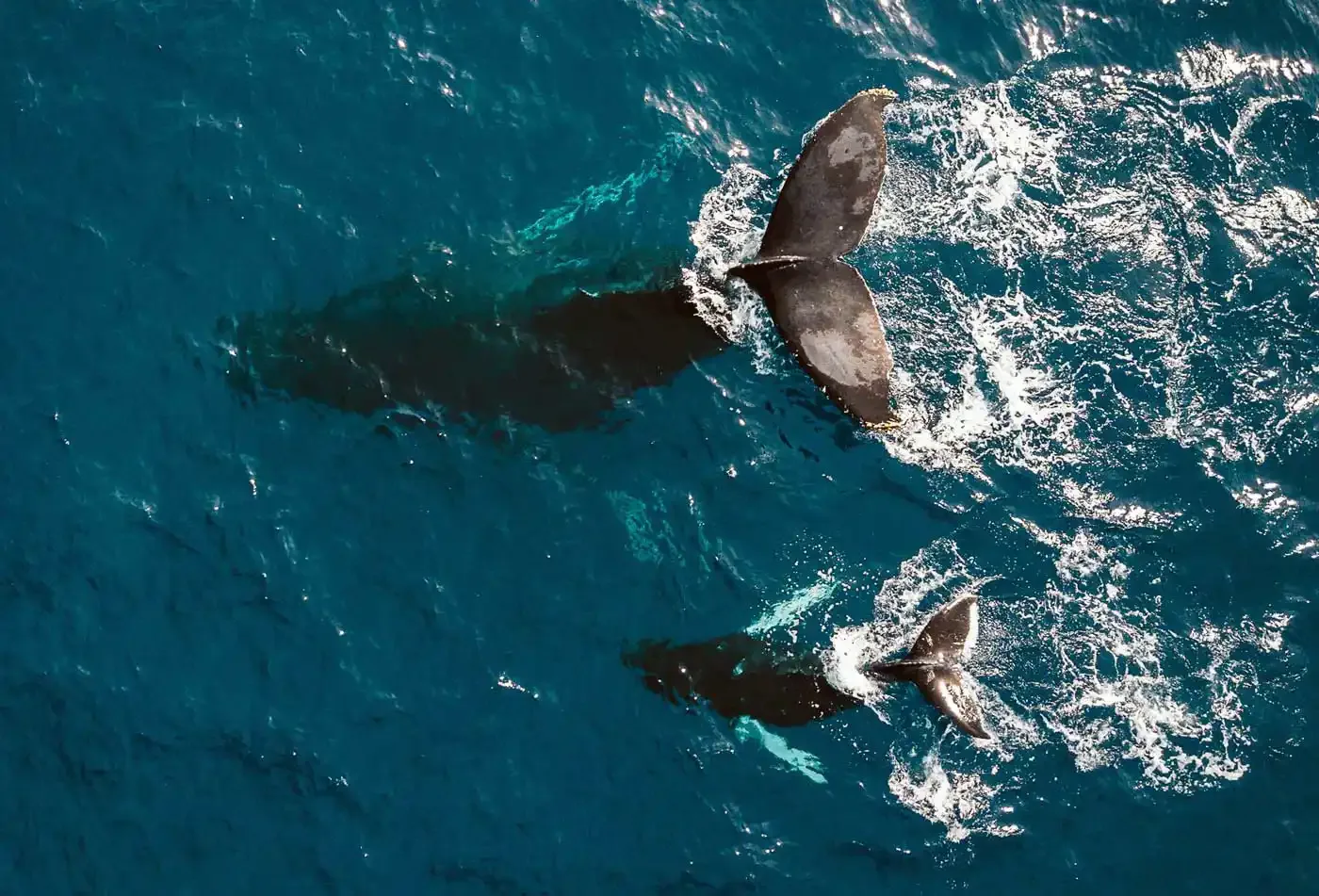
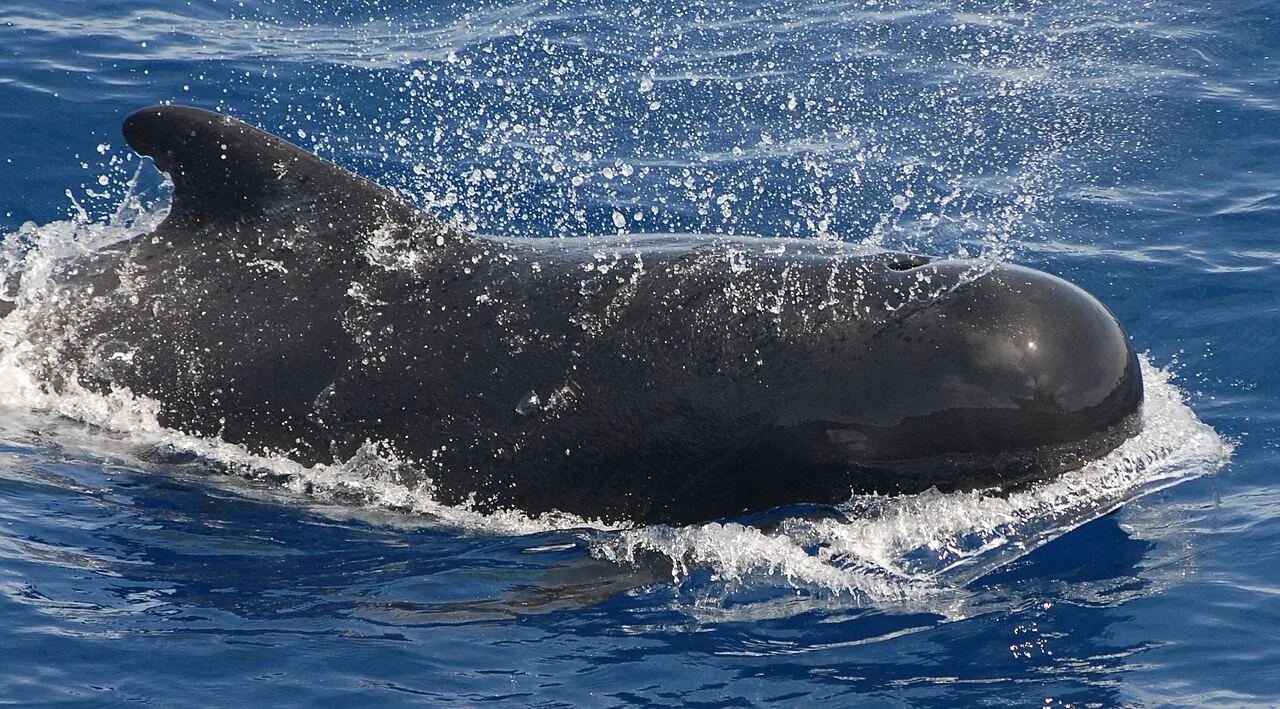
Biologists aboard a whale-watching boat off Madeira witnessed a sperm whale give birth in open water, in a pod of about 15 animals near Ribeira Brava. It is the first such birth recorded off the island since 2013.
Group of About 15 Sperm Whales Spotted Near Ribeira Brava
Francisca Fernandes, a biologist on the Ventura Nature Emotions boat, was on board when it happened. She described finding a large group of sperm whales in the waters off Ribeira Brava.
In the Ribeira Brava area, where we found a relatively large group of sperm whales, I would say there were about 15, more or less. What we found were several females with juveniles.
Francisca Fernandes, biologist, Ventura Nature Emotions
Fernandes said she realized a birth was taking place when a patch of blood rose to the surface. Other sperm whales in the group stirred the water around the mother, she said, apparently helping her give birth.
A few minutes after that last patch of blood appeared, the newborn calf surfaced for the first time to breathe, helped by the other females in the group.
Last Recorded Birth Off Madeira Was in 2013
This is a very, very rare situation to happen.
Francisca Fernandes, biologist, Ventura Nature Emotions
The last birth recorded off Madeira took place in 2013, which is why Fernandes called this one rare. Only nine of the world's dolphin and whale species have ever been observed giving birth in open water, according to the report.
Hundreds of Whales Drew Scientific Attention This Year
Cetaceans are common in the waters around Madeira, but this year's appearance of hundreds of whales has drawn the attention of the scientific community. Philippe Verborg, a biologist at the Madeira Whale Museum in Caniçal, said some of this year's sightings involved rarer species than usual.
According to Verborg, the tropical whale is the most common species seen off Madeira. The fin whale, locally called the "baleia comum," is spotted only a few times a year. Other species, including the humpback, blue, sei and minke whale, are seen far more rarely still, usually only a few times a year.
| Species | How often it's seen |
|---|---|
| Tropical whale | Most common species |
| Fin whale (baleia comum) | A few sightings a year |
| Humpback whale | Rare |
| Blue whale | Rare |
| Sei whale | Rare |
| Minke whale | Rare |
Land Runoff Near Madeira May Explain the Whale Surge
The report linked the unusual numbers partly to climate change. Runoff washing from the land into the sea, it said, benefits whales, since the waters around Madeira otherwise have almost no primary production of their own, and this runoff brings in nutrients that draw the animals closer to the island.
The number of cetaceans that regularly stay near or pass through Madeira also feeds the island's whale-watching tourism industry, the report noted.
Madeira's waters were once hunting grounds for whalers. After years of being hunted, the island has now become a place of shelter, and a birthplace, for the whales it was once known for catching.
Have you ever spotted a whale calf during a boat trip off Madeira? Tell us about it in the comments.
Source: madeira.rtp.pt




Comments