
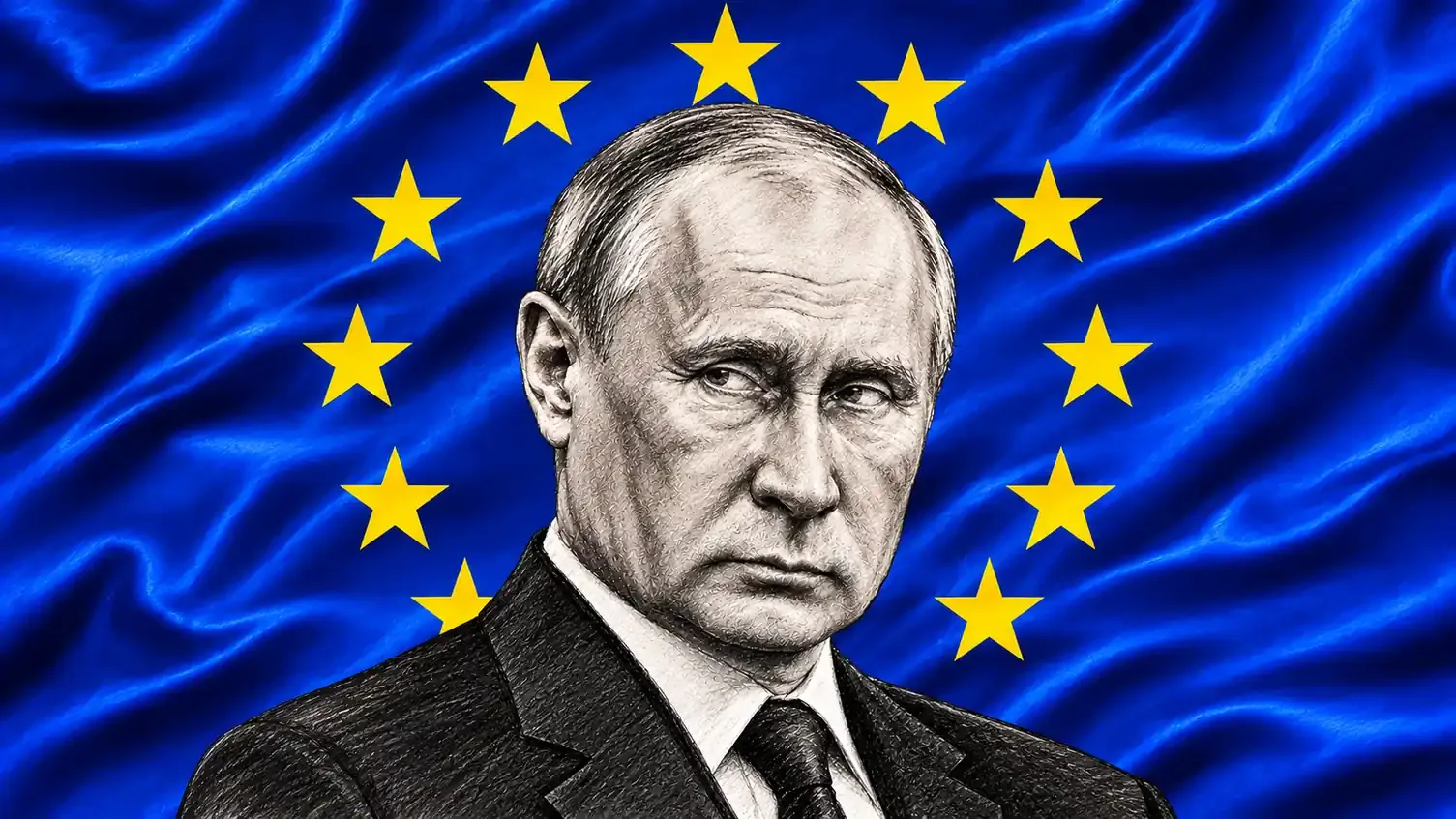
The European Union wants its citizens to be better prepared for crises, from floods and wildfires to cyberattacks. One of its main pieces of advice is simple: keep enough essential supplies at home to last at least 72 hours.
The advice is part of the Preparedness Union Strategy, presented by the European Commission and the EU's High Representative for foreign affairs on 26 March 2025.
Strategy Presented in March 2025 Sets Out 30 Key Actions
The strategy contains 30 key actions and a detailed action plan. Its aim is to help member states prevent crises and react faster when they happen.
According to the Commission, the EU faces more complex threats. It names geopolitical tensions and conflicts, cyber threats, foreign information manipulation, climate change and a growing number of natural disasters.
New realities require a new level of preparedness in Europe. Our citizens, our Member States, and our businesses need the right tools to act both to prevent crises and to react swiftly when a disaster hits. Families living in flood zones should know what to do when the waters rise.
Ursula von der Leyen, President of the European Commission
Russia's 2022 Invasion of Ukraine Shapes the EU's Threat Picture
The press release does not name any country. But the strategy itself, set out in a joint communication, names Russia's war first in its list of threats.
Russia, led by President Vladimir Putin, launched its full-scale invasion of Ukraine on 24 February 2022. It is the largest war in Europe since the Second World War, and it escalated a conflict that began when Russia attacked Ukraine in 2014.
The EU document links that war to a wider set of security risks for Europe:
Russia's illegal war of aggression against Ukraine, rising geopolitical tensions, state-sponsored hybrid and cyberattacks, sabotage targeting critical assets, foreign information manipulation and interference, and electronic warfare, have become a permanent feature of today's reality.
European Commission and High Representative, Joint Communication on the Preparedness Union Strategy
Hybrid threats mix non-military tools, such as cyberattacks, disinformation and sabotage, to weaken a country without open war. In its questions and answers on the strategy, the Commission says the COVID-19 pandemic and Russia's war showed the value of EU cooperation in crisis planning.
People Encouraged to Keep Supplies for at Least 72 Hours
For ordinary people, the most practical step is the 72-hour advice. The Commission encourages the public to keep essential supplies for a minimum of 72 hours in an emergency.
The strategy also plans to bring preparedness lessons into school curricula and to create an EU Preparedness Day.
Seven Priority Areas, From Hospitals to Cooperation With NATO
The actions are grouped into seven areas. They include:
minimum preparedness standards for hospitals, schools, transport and telecommunications
more stockpiling of critical equipment and materials, and better access to resources such as water
an EU Crisis Hub to link the EU's existing crisis structures
regular EU-wide exercises that bring together armed forces, civil protection, police, health workers and firefighters
an EU-level assessment of risks and threats
a public-private Preparedness Taskforce and emergency protocols with businesses
closer work with partners such as NATO, on topics from military mobility to cyber and space
The strategy follows a report by former Finnish President Sauli Niinistö, which concluded that stronger civilian and military preparedness in Europe is a matter of urgency.
Madeira Announced SMS Emergency Alerts in October 2026
In October 2026, Madeira announced that it would send emergency alerts by SMS to residents and visitors. The system works through agreements between the Regional Civil Protection Service and the operators MEO, NOS and Vodafone.
Source:
ec.europa.eu
eur-lex.europa.eu
civil-protection-knowledge-network.europa.eu



Comments