
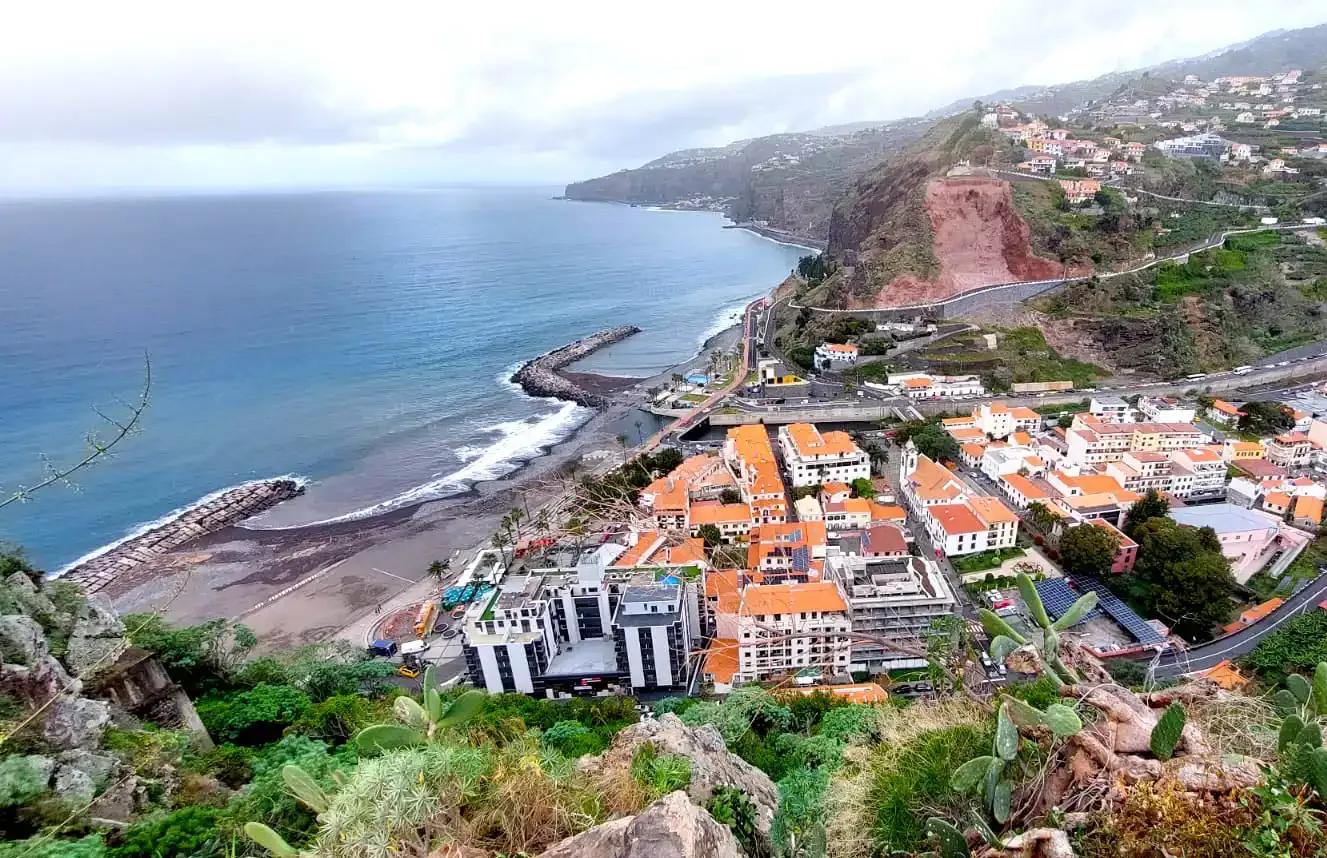
Ribeira Brava may have hundreds of houses that still need to be legalised, though not all of them meet the conditions for a licence. The estimate came from the mayor of Ribeira Brava during a Fórum JM debate on urban planning. The municipality has no concrete survey of the buildings concerned.
The debate was part of the Fórum JM series and was dedicated to urban planning and land management tools. The mayor's estimate was given during the debate period, according to a report by JM published on 25 November.
Houses Built Illegally Up to 2018 Could Be Regularised
The first question came from the moderator, the journalist Alberto Pita. He asked the mayor to clarify an earlier statement that houses built illegally up to 2018 could be legalised. He wanted to know how many homes could be covered by that possibility.
In reply, the mayor said that not every building can be legalised. There are, however, mechanisms and instruments that could allow a large part of them to be regularised. Each case depends on the urban planning parameters and the conditions that apply to it.
The mayor admitted that the council has no concrete survey of the buildings in question. Even so, the mayor said hundreds of constructions are likely to be affected.
Buildings Registered Before 1951 Need No Licence
The mayor explained that buildings entered in the property register before 1951 are exempt from licensing. In Ribeira Brava, buildings outside the urban centre also benefit from an exemption from licensing. What is at stake for those buildings is the requirement of a use licence, which applies from 1991.
Only from 1991 to 2018 do we have buildings to legalise, but there are huge numbers of them.
Mayor of Ribeira Brava, President of the Municipal Council
Two Plans, POC and PGRI, Guide Decisions in the Ribeira Brava Valley
The debate also covered the need to protect the safety of the valley of Ribeira Brava. Participants discussed the role that different public bodies can play in supporting the municipal council.
The mayor said the council can only really assess the reach of the land management instruments when residents submit their planning applications. The two instruments named were the Coastal Zone Programme (POC) and the Flood Risk Management Plan (PGRI). Both come into play in storm situations.
For that reason, the mayor called for dialogue between all bodies involved in these instruments. The aim is to find solutions that reconcile safety with the continued development of the territory, especially in the centre of the municipality.
Have you tried to legalise an older house in Madeira, and how did the process go?
Source: jm-madeira.pt






Comments