
Miguel Albuquerque, president of the Regional Government, told Madeira's parliament on Tuesday morning that the archipelago is a world reference in nature conservation. He was opening the monthly Environment debate at the Legislative Assembly of Madeira.
He credited the status to good policy decisions of the past and the civic behavior of residents. He also pointed to half a century of work by technicians and operational staff in the sector. Three regional secretaries, Eduardo Jesus, Pedro Rodrigues and Nuno Maciel, sat alongside him for the session.
A world reference in nature conservation.
Miguel Albuquerque, President of the Regional Government
Madeira Protects 65% of Its Land and 89% of Its Sea
Albuquerque said Madeira protects 65% of its land and 89% of its waters under some form of protection status. That places the region among those with the largest share of classified territory in Europe, he said.
The archipelago holds the European Diploma of the Council of Europe for the Protected Areas of the Desertas and Selvagens Islands. It also holds the LIDE Preservar o Mar award. It is part of 19 Natura 2000 sites and eight Protected Areas.
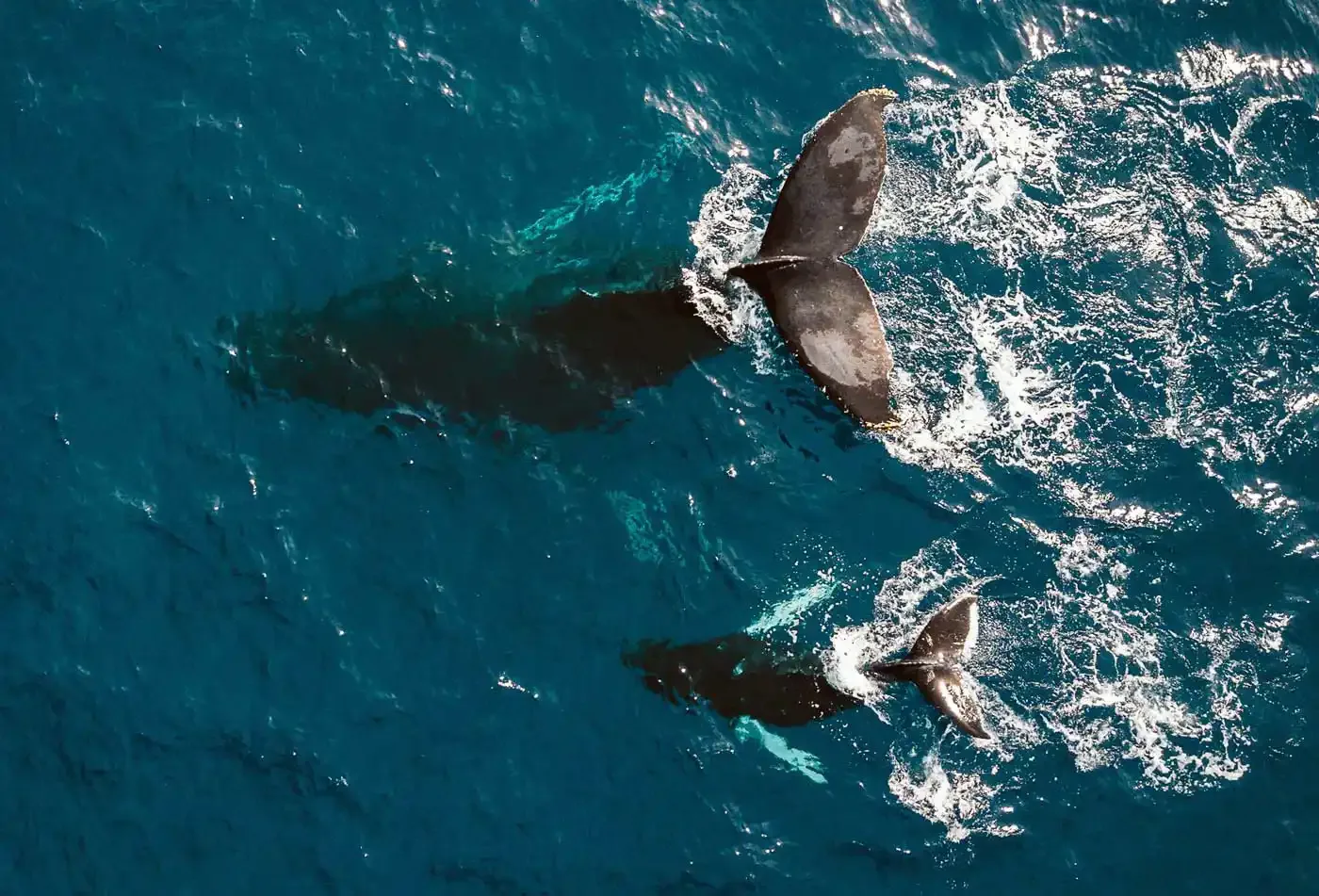
The Selvagens Islands Natural Reserve, covering 2,677 square kilometers, is, in his words, the largest fully protected marine area in the North Atlantic.
| Indicator | Figure |
|---|---|
| Land area protected | 65% |
| Territorial sea protected | 89% |
| Natura 2000 sites | 19 |
| Protected Areas | 8 |
| Selvagens Islands Reserve | 2,677 km² |
Laurissilva Forest Spans 16,114 Hectares of the Island
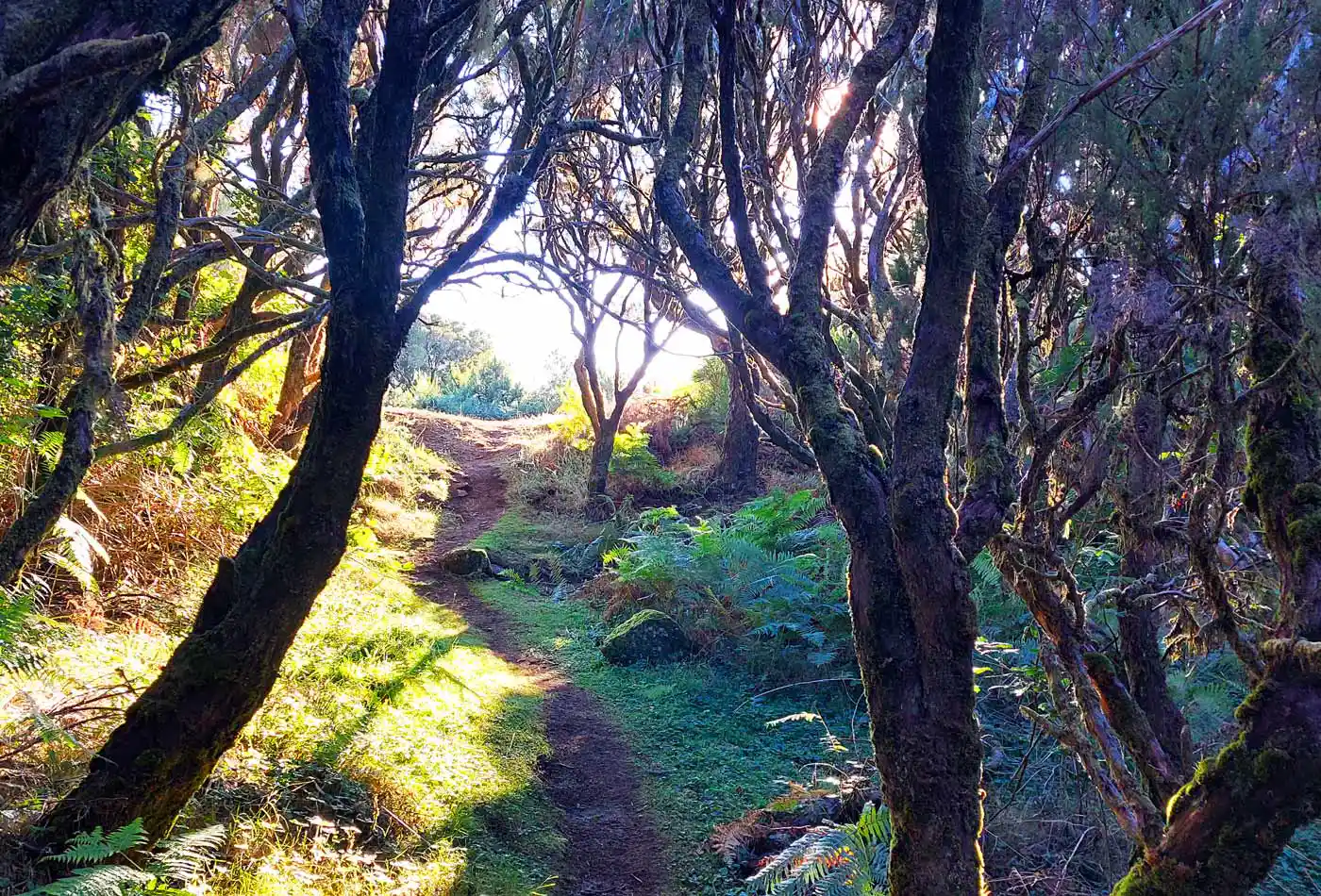
Forest covers about 48% of Madeira's territory. The Laurissilva, the island's ancient laurel forest, spans 16,114 hectares, roughly 98% of all remaining natural forest.
Since 2015, the government has reforested 841.2 hectares and planted more than 950,000 trees. Of the 74 forest management plans now in force, six are public and 68 are private, together covering 29,212 hectares. The region's total forest area now stands at 37,539 hectares.
Madeira Built 63 Fire Watch Points Across the Territory
Fire prevention was named one of the government's priorities. Albuquerque pointed to a network of 63 strategic locations for parking, surveillance and firefighting action, plus six watchtowers working alongside mobile patrols and drones.
Other measures include a 315-hectare firebreak around Funchal and the clearing of 285 kilometers of road network for fire access. The government is also building the Trompica Forest Path.
| Indicator | Figure |
|---|---|
| Forest coverage of territory | 48% |
| Laurissilva forest area | 16,114 ha |
| Reforested since 2015 | 841.2 ha |
| Trees planted since 2015 | 950,000+ |
| Total forest area today | 37,539 ha |
| Firebreak around Funchal | 315 ha |
| Road network cleared for fire access | 285 km |
Water Projects Worth €223 Million Are Planned Through 2031
Albuquerque said water resource management, "despite not generating spectacular headlines," remains a government priority. Between 2015 and 2031, €223.3 million is set to be invested in water supply, sanitation and irrigation. Of that, €141 million has already been spent, with more than €82 million still to come.
The region supplies 98.8% safe drinking water, with figures above 99% recorded in 2025, according to the speech. Of 60 monitored bathing waters, 93% rate as excellent or good quality.
Among future projects, Albuquerque pointed to the new Tunnel 4 dos Tornos. The €25 million investment will provide an alternative water supply to about 96,000 residents, mostly in Funchal.
In Porto Santo, reinforcing the desalination plant and renewing water networks will cost €26.5 million. Recovery of the Barragem do Tanque dam is budgeted at €10.7 million.
| Item | Figure |
|---|---|
| Total planned investment | €223.3 million |
| Already executed | €141 million |
| Still planned | €82 million+ |
| New Tunnel 4 dos Tornos | €25 million |
| Porto Santo desalination and network renewal | €26.5 million |
| Barragem do Tanque recovery | €10.7 million |
Renewable Sources Supplied 56% of Power in Early 2026
Through the public utility EEM, the Regional Government has invested more than €450 million over ten years in renewable energy production and electrical grid upgrades. That spending saves over €50 million a year in fossil fuel costs and €25 million in CO2 emission licenses, Albuquerque said. Renewable output has climbed from 220 to 354.5 gigawatt-hours over five years.
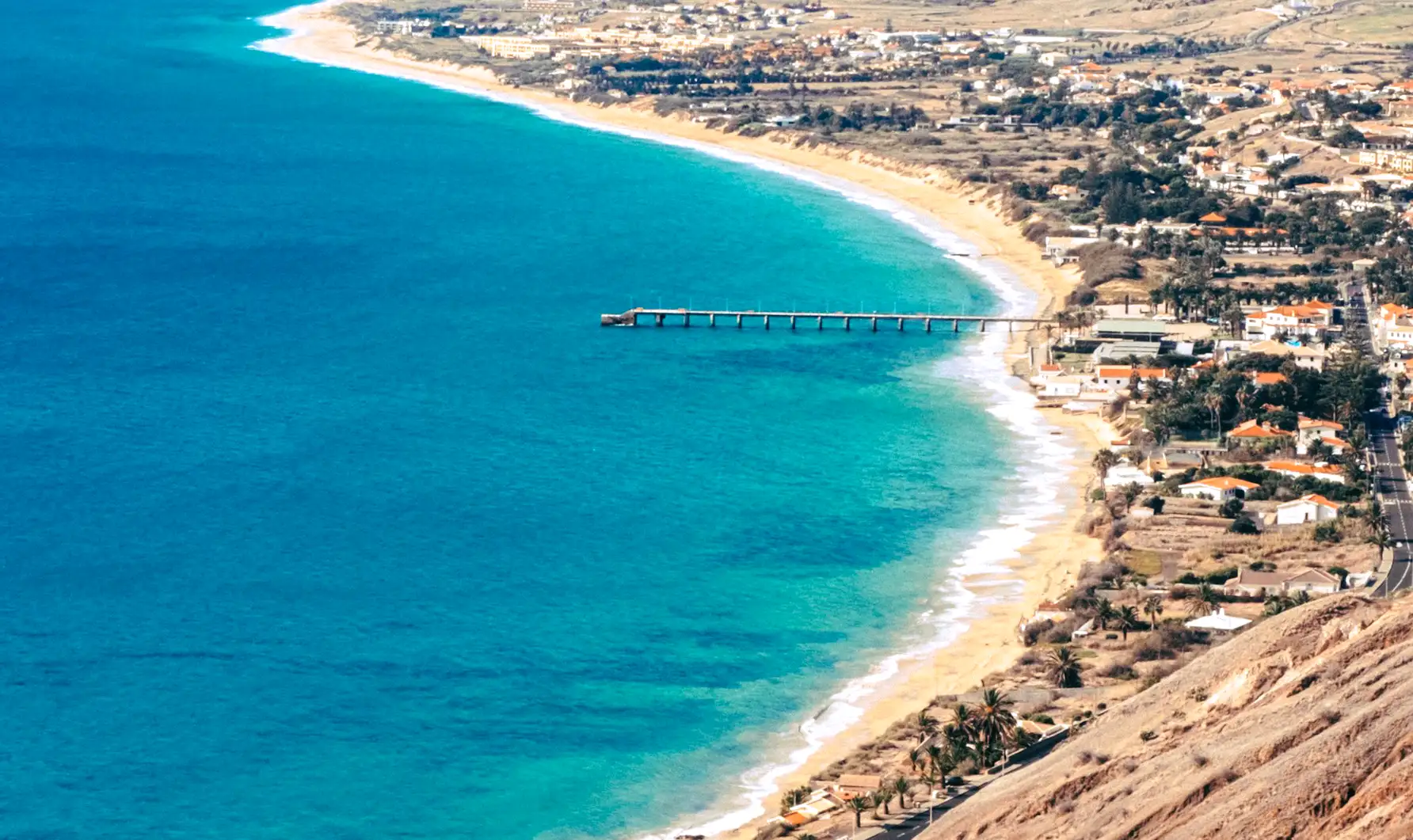
In 2024, 36.4% of Madeira's electricity came from renewable sources, the highest share among the European Union's outermost regions. In the first quarter of 2026, that figure reached 56%, above the 55% target set for 2030. Albuquerque cautioned that the figure is not an annual indicator.
Next year, Porto Santo is expected to run on clean energy alone for 200 days, saving an estimated €3 million a year.
The average price of electricity rose 1% a year over the last six years. Albuquerque called the increase "substantially lower" than for other basic goods and services. He also cited the Descarbonizar RAM 2023-2026 program and the Programme for Support to Renewable Energies, worth €7.5 million, which has approved 1,452 applications.
| Indicator | Figure |
|---|---|
| EEM investment over 10 years | €450 million+ |
| Annual savings on fossil fuels | €50 million+ |
| Annual savings on CO2 licences | €25 million |
| Renewable production, 5 years ago | 220 GWh |
| Renewable production, now | 354.5 GWh |
| Share of electricity from renewables, 2024 | 36.4% |
| Share of electricity from renewables, Q1 2026 | 56% |
Air Quality Stayed Clean on Every Day of 2025
Madeira recorded zero days with a "Bad" or "Poor" air quality index in 2025, after €675,000 was invested in stronger monitoring. The region now counts a record 79 Green Key establishments, hotels and venues certified for environmental standards.
The Eco-Escolas program reaches 77% of public schools, and authorities carried out more than 400 environmental inspections over the period. Madeira ranks second nationally in the Environmental Quality Index among Portugal's NUTS II regions.
Albuquerque argued that Madeira's environmental policies are consistent and planned for the medium and long term. He said they have drawn praise from international figures. These include Peter Thomson), the United Nations Secretary-General's Special Envoy for the Ocean, and Enric Sala of the National Geographic Society.
He said the policies are "perfectly internalized and endorsed" by the population and are essential for the wellbeing of future generations.
Do the figures Albuquerque cited match what you see day to day, in your water supply, your electricity bill or on the trails?
Source: dnoticias.pt




Comments