
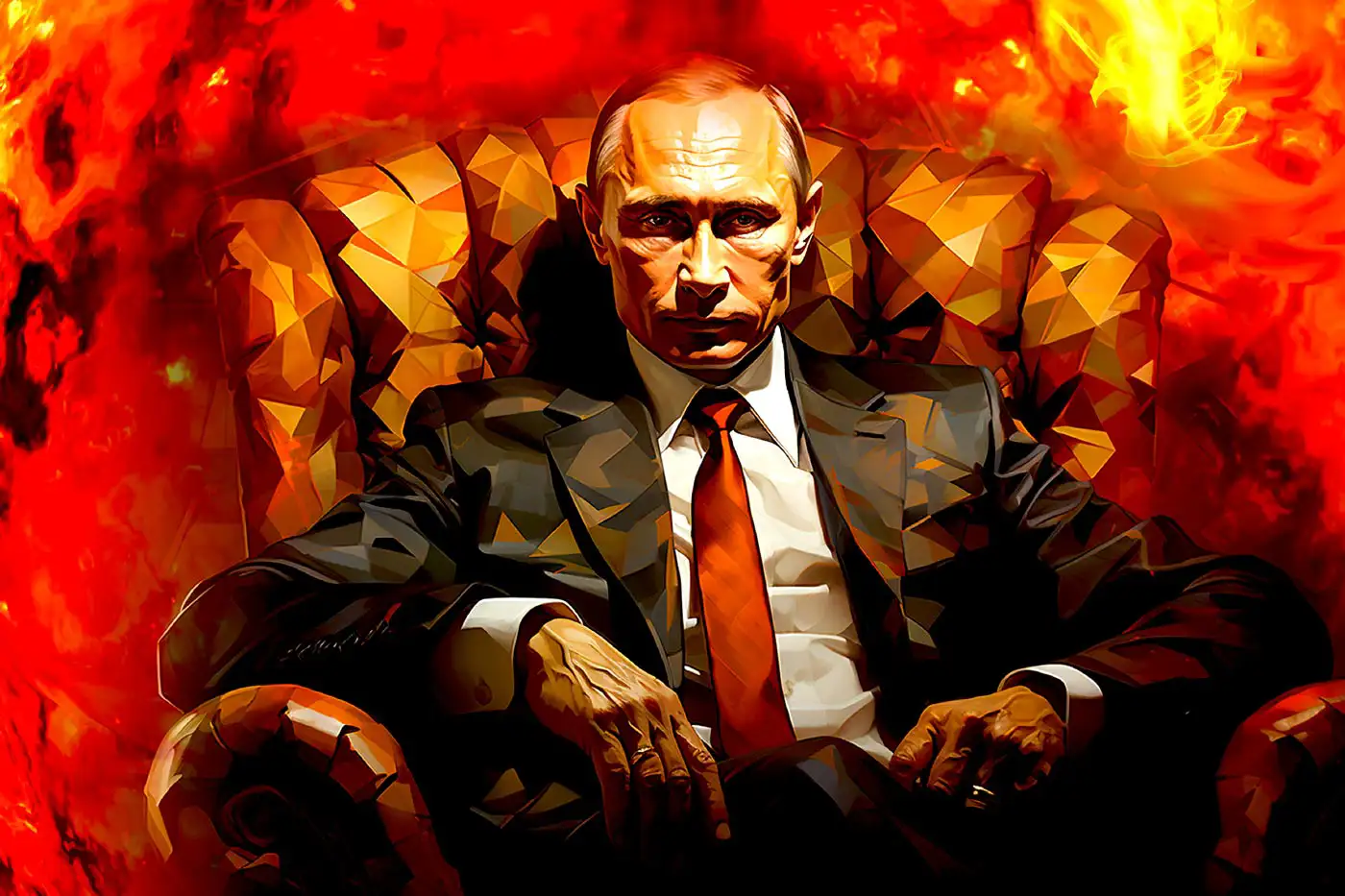
Ukrainian President Volodymyr Zelensky brought a bill to Brussels in mid-October. Speaking to EU heads of state and government, he said the war would cost Ukraine 155 billion euros in 2027. At least 70 billion euros more were missing, he said. That money was needed for weapons, defense and a state that has resisted Russia's invasion for more than four years.
Zelensky Tells EU Leaders War Will Cost Ukraine 155 Billion Euros in 2027
Europe had already agreed a 90 billion euro loan for 2026 and 2027 at the end of 2025. The deal splits 45 billion euros across each year, covering roughly two-thirds of the financing needs expected at the time. Other donors were meant to cover the rest.
But the war has dragged on and its costs have kept rising. The math no longer adds up. According to the European Commission, a 70 billion euro gap remains for 2027 despite the planned EU funds and pledges from partner countries.
EU Commission Confirms a 70 Billion Euro Gap for 2027
Brussels had counted on an extra 45 billion euros combined from Canada, Japan, the United Kingdom and Norway across both years. Not all of that money is secured or paid out, while Ukraine's needs are growing faster than new pledges arrive. Russian strikes on energy infrastructure, among other damage, keep pushing costs higher.
210 Billion Euros in Frozen Russian Assets Remain Locked in Belgium
One possible way out is the roughly 210 billion euros in Russian state assets frozen in the EU. Using that money further is contested. Belgium, which holds most of it, wants guarantees against legal and financial risks. EU leaders are due to discuss the issue again at the end of November.
Political backing for Ukraine is also uncertain. France holds elections in April 2027, and German parties are fighting over budget cuts. Online calculations have circulated claiming that funding gaps point to an imminent Ukrainian surrender.
But an empty treasury does not automatically mean Ukraine raises a white flag. A country can come under serious financial pressure while its army keeps fighting. How closely are money and the ability to keep fighting really linked? Two scenarios show what a European pullback could cost.
A 50 Percent Aid Cut Would Leave Ukraine 22.5 Billion Euros Short
In the first scenario, the EU halves the 45 billion euros planned for 2027. That would leave a 22.5 billion euro hole compared with the current plan. This is a model assumption; it is not clear what would happen to other partners' outstanding pledges.
The Ukrainian government puts its own external financing need for 2027 at more than 52 billion dollars. It wants around 45 billion dollars more for additional military needs.
Kyiv could raise taxes, take on new debt or cut spending, but its room to maneuver is tight. The International Monetary Fund expects Ukraine to run a high budget deficit in 2026, with the size depending on foreign grants. The less money available, the more Kyiv would have to weigh pensions, schools and power-plant repairs against other urgent needs.
Cuts to war materiel would be especially damaging. Ukraine has built its own arms industry, but its factories need funded orders, and European governments pay for much of that weaponry. Without new orders, the army would struggle to replace its losses.
The effect would not be felt everywhere at once. Existing stockpiles and deliveries already underway could cushion the shortfall at first. A 50 percent funding cut would not automatically halve Ukraine's fighting strength. What matters is which purchases get cut and how the front develops.
Study Warns Russian Gains Could Send 11 Million Refugees Toward Europe
Less money does not automatically mean large Russian territorial gains. But if Moscow used the funding gaps to launch a broad advance, millions of people could lose their homes again. Some would likely seek shelter inside Ukraine; others would flee to Europe.
The study "Europe's Choice" estimates that extensive Russian battlefield success could create six to eleven million additional refugees. Its authors put the cost to Europe over four years at 524 to 952 billion euros. That compares with the EU's current loan to Ukraine of 90 billion euros over two years.
The study works with scenario values rather than forecasts, built on far-reaching assumptions about a Russian advance and refugee movements. Limited territorial losses, for example in Donbas or the southern regions of Kherson and Zaporizhzhia, would not produce the same outcome.
Even so, the consequences of another refugee wave would be severe for the EU. Many municipalities in Germany are already under significant financial strain. They would again have to provide housing, school places and health care. Populist parties would likely gain further ground.
A Russian Win Could Threaten Germany From Just 950 Kilometers Away
In the second scenario, Europe halts all new financial aid, weapons deliveries and arms orders. Whether existing contracts would still be honored is a separate question. An immediate stop in payments would have far more dramatic effects than a slow wind-down of drone, ammunition and cruise-missile programs.
Ukraine would not go bankrupt overnight. It has tax revenue and limited options to borrow domestically. It could delay state payments or cut spending.
Leaning harder on the central bank to finance the state could fuel inflation and pressure the currency instead. The government would have to decide which services to keep and which military purchases come first.
Fewer drones, less ammunition and fewer spare parts would reach the front. Russia could try to exploit the gaps at specific points along the line. Kyiv could pull back to shorter defensive lines and concentrate its scarcer weapons and troops where they matter most. The kind of recaptures Ukraine has managed in recent months would become nearly impossible.
When reduced funding would turn into a major military setback cannot be calculated from budget figures alone. Neither three, six nor twelve months is a seriously defensible timeline for a Ukrainian capitulation.
Even a complete halt in European aid would not have to end in a Russian victory. But what if Moscow pushed Ukraine back far enough to impose peace on its own terms? It could occupy more territory or install a government in Kyiv that answers to Moscow. Europe's military map would change significantly.
Russian forces could gain use of additional Ukrainian airfields, transport routes and military facilities. Poland, Slovakia and Romania would have to prepare for new Russian bases along their borders. Russian missiles can already reach Germany and other Central European states today. But the warning time before an attack would shrink sharply.
If Russia subjugated Ukraine, it could threaten Germany - the heart of the European Union - from Ukrainian territory as well. Cruise missiles and attack drones would need to cover much shorter distances. Ukrainian intelligence says Russia's new Geran-5 drone has a range of up to 950 kilometers.
Launched from forward positions in Ukraine, it could reach German targets that are out of range from Russian soil. For NATO, intercepting Russian attacks in time would become significantly harder.
This threat picture is part of why the EU has pushed preparedness steps at home too. It wants citizens across the bloc to keep at least 72 hours of essential supplies on hand.
Kiel Institute Puts Germany's Risk at 90 Billion Euros a Year
The Kiel Institute for the World Economy modeled Germany's possible follow-up costs of a Russian victory in Ukraine back in 2024. For extra deterrence alone, its authors estimate 0.5 to 1 percent of annual economic output.
Applied to Germany's 4.5 trillion euro GDP in 2025, that works out to 22.5 to 45 billion euros a year.
Counting all related costs over five years, including higher defense spending, the study puts the total at 1 to 2 percent of GDP annually. That works out to 45 to 90 billion euros a year.
These figures are not a prediction, and the study dates to 2024. Germany has since committed to higher defense spending. Part of the extra burden the authors calculated may already be funded for a worst-case scenario.
Neither scenario proves that less aid automatically leads to Ukrainian defeat. But less money can block weapons purchases, weaken Ukraine's defenses and raise the risk of further Russian gains on the front.
The potential follow-up costs would not fall on Ukraine alone. Even a slow erosion of Ukraine's position would raise the risk of wider war in Europe. That risk would come on top of the costs of refugees and defense spending.
The West alone can decide how much money it gives Ukraine. It cannot alone decide the consequences if it stops. A Russian victory in Ukraine could cost the rest of Europe its peace.


Comments