Monte Train: Madeira’s Forgotten Railway
The Caminho de Ferro do Monte revolutionized travel in Madeira, but a tragic 1919 incident marked its downfall, shaking public confidence and triggering a gradual decline that ended in its closure by 1943.



The Caminho de Ferro do Monte revolutionized travel in Madeira, but a tragic 1919 incident marked its downfall, shaking public confidence and triggering a gradual decline that ended in its closure by 1943.
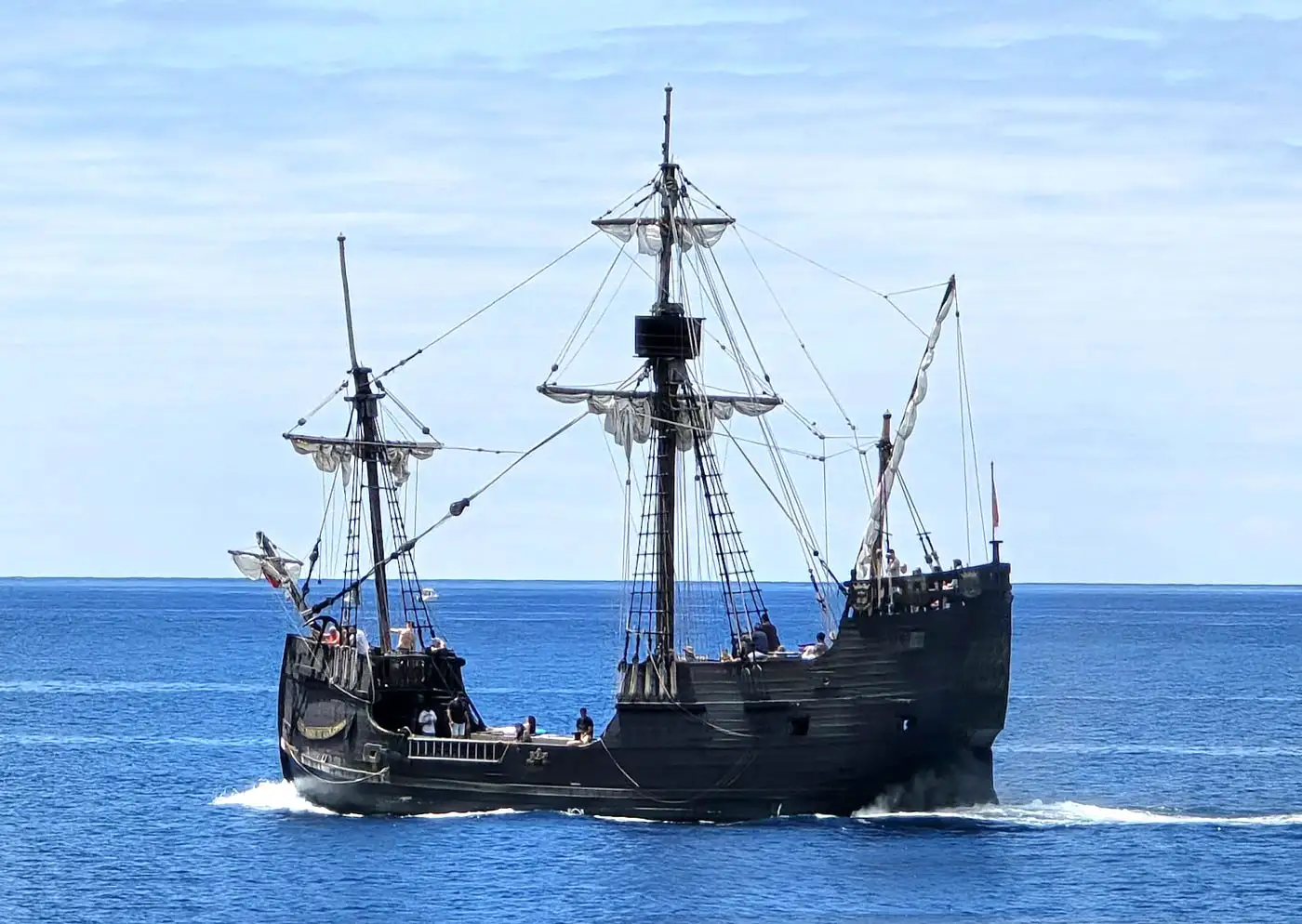
Handcrafted with passion and driven by vision — how one man revived the iconic Santa Maria de Colombo in 1998, creating a beautifully handmade vessel that still sails daily today.

Porto Santo, a dry island with no rivers and scarce rainfall, was at risk of severe water shortages until the 1980s. Its solution: pioneering desalination technology that transformed ocean water into fresh water.
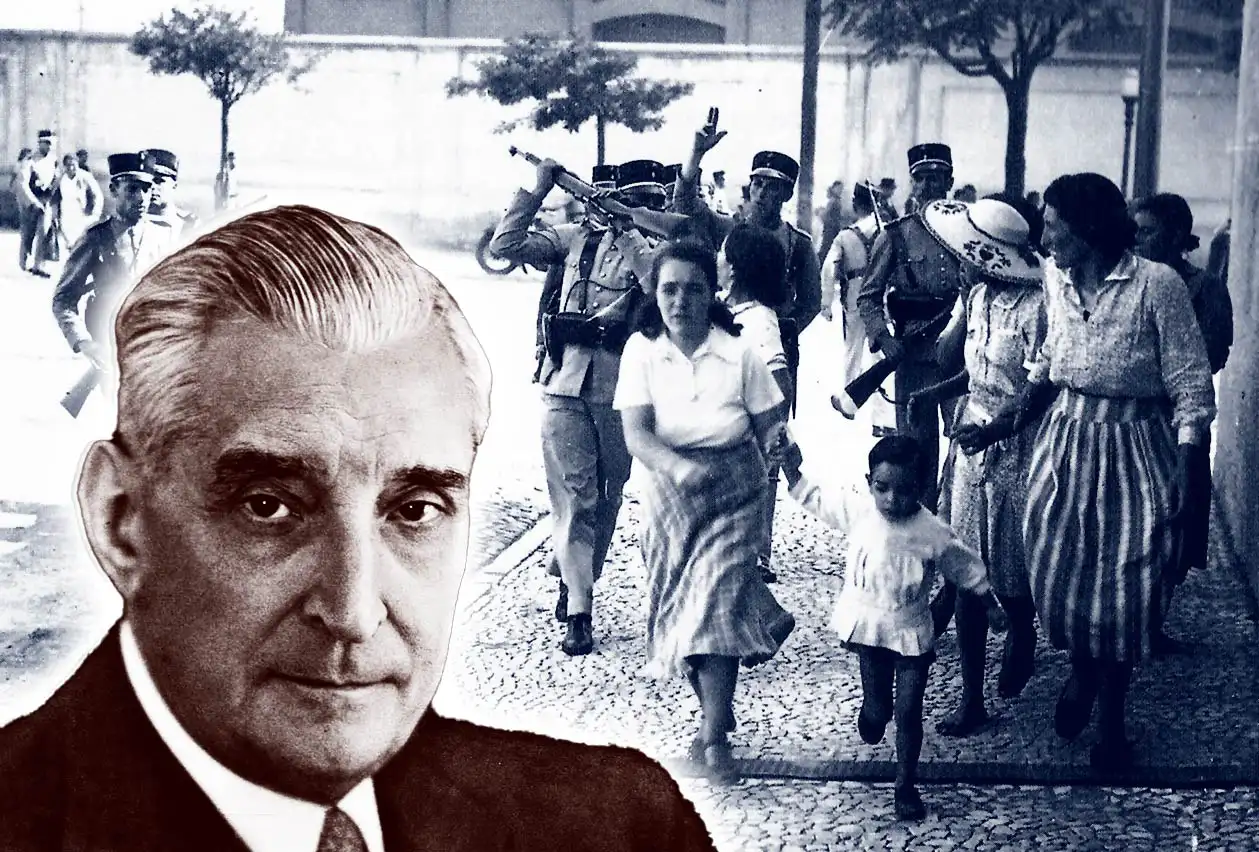
Antonio Salazar’s Estado Novo regime prioritized economic control over human rights, enforcing censorship, torture, and brutal colonial wars. Through fear and oppression, it became Europe’s longest-lasting dictatorship, ruling for nearly five decades.

Before Madeira had an airport, seaplanes landing in Funchal Bay provided the island’s only air link to the outside world. This came to an abrupt end after a tragic incident that grounded flying boat travel for good.
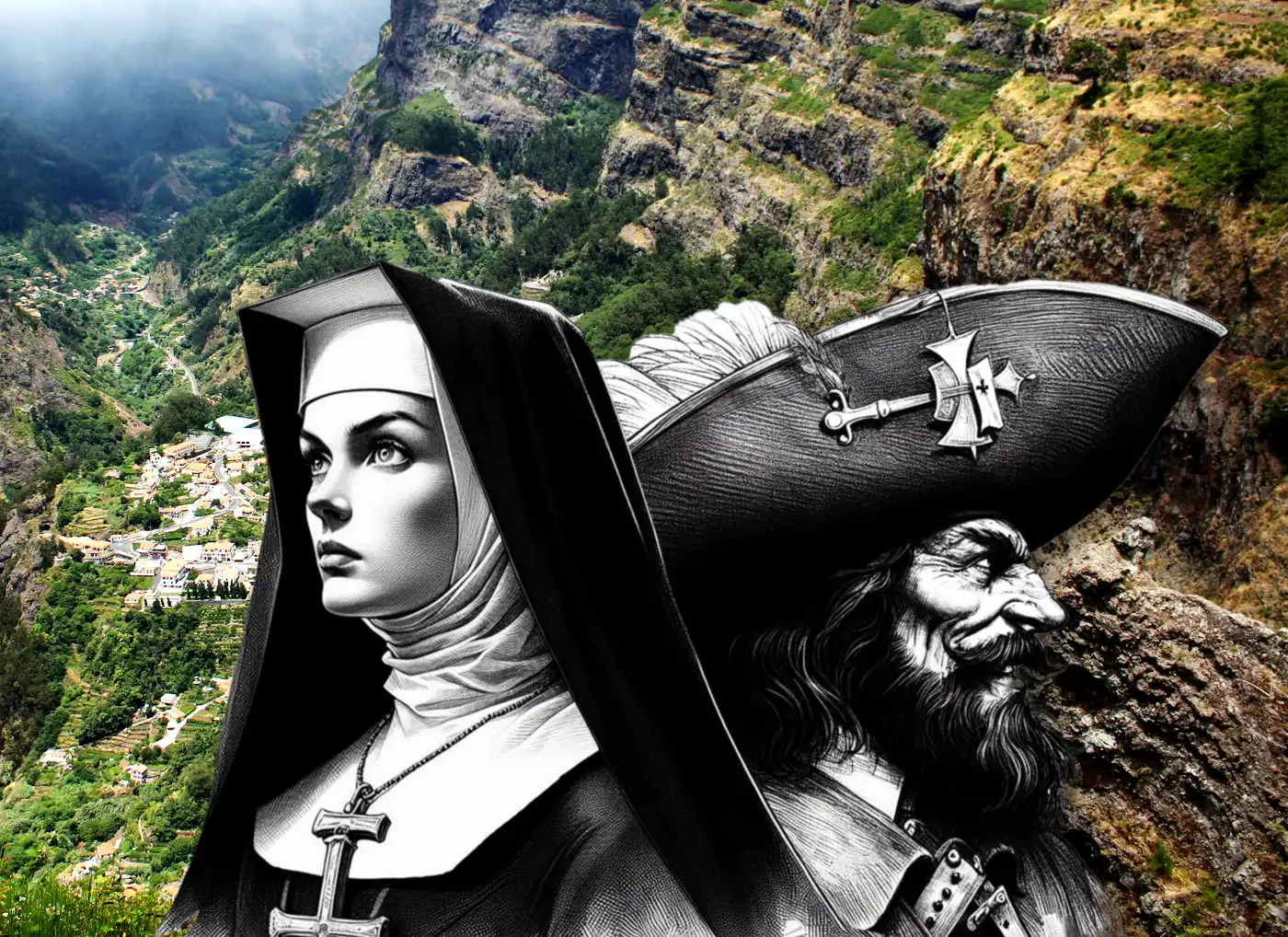
Hidden deep in Madeira’s mountains, Curral das Freiras feels like a place from a storybook. A village carrying the weight of pirate raids and long isolation, held together by the quiet resilience of generations.

Alberto João Jardim, known as the King of Madeira, led the island for 37 years, transforming its economy and infrastructure. A charismatic yet polarizing leader, he championed autonomy but faced criticism for debt and authoritarian tendencies.

31 years ago, in 1994, Madeira approved the final phase of Via Rápida (VR1), enhancing transportation with a 3.4 km stretch connecting Campanário to Ribeira Brava, including tunnels, viaducts, and bridges.

Experts have confirmed that urgent structural work is needed to stabilize the São Vicente Caves, requiring a closure of up to three years. Authorities emphasize safety concerns and potential tourism impacts.

Funchal aims to classify Madeiran pavement as intangible cultural heritage. The goal is to preserve and promote the profession of pavers, of which only four remain in the municipality.

In the 1940s, thousands of Madeirans left their homeland for Curaçao, drawn by the promise of stable jobs in the booming oil industry. This migration reshaped lives, forging new communities in the Caribbean.