
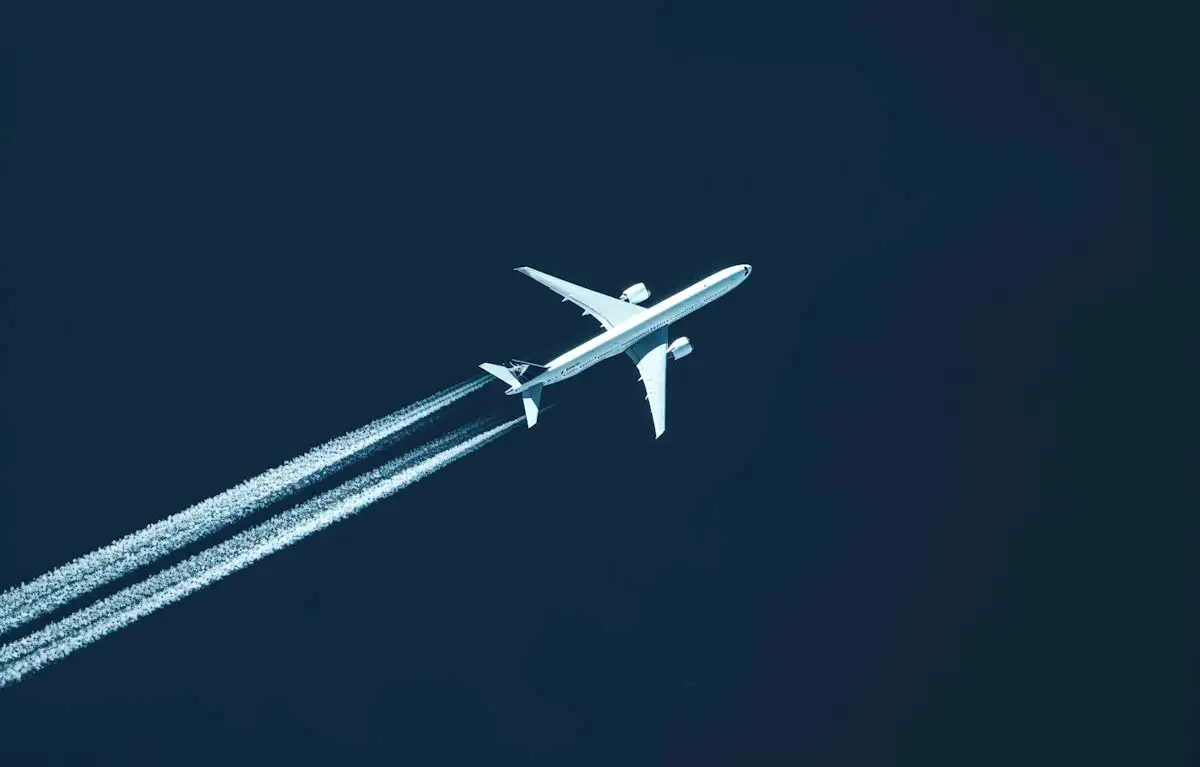
A Russian extremist cell sent an email to Italian airports with bomb threats against six flights, the Italian news agency Ansa reported on Friday. The threats turned out to be false.
They were part of a new wave of fake bomb threats that hit flights across Europe this week. Flights from Portugal were among those hit.
The Email Warned of an Explosion Within 60 Minutes
According to Ansa, the email to Italian airports read:
"The explosion will happen within 60 minutes. Today, your sky will turn red."
Email sent to Italian airports, as quoted by Ansa
The email was signed by the "fighters" of the "Male State". It also attacked what it called a feminist regime.
"We, the fighters of the 'Male State', will leave our imprint on history with our actions today. Your feminist regime will remember this forever."
Email sent to Italian airports, as quoted by Ansa
Signed in the Name of Male State, a Movement Russia Banned in 2021
The cell refers to Muzhskoye Gosudarstvo, which means "Male State" in Russian. According to the Portuguese news agency Lusa, it is an ultranationalist and misogynistic Russian movement. It is already known to international authorities.
The movement was founded by Vladislav Pozdnyakov. According to Wikipedia, it was created in 2016 as a private group on the Russian social network VKontakte.
On 18 October 2021, a Russian regional court in Nizhny Novgorod declared the group extremist. The court said it incited hatred against women. Its members mainly target people online, among them women, Black people and LGBT people, with insults and threats, according to the same page.
At Least 25 Flights Hit by Fake Threats Across Europe on Friday
The new wave of false alarms affected at least 25 flights between European countries on Friday. Similar threats had already been reported on Tuesday.
Flights of several European airlines were hit this week. They were flying to or from at least 15 countries, including Portugal. Italy, the Czech Republic and Bulgaria were the most affected.
| Group | Countries |
|---|---|
| Most affected | Italy, Czech Republic, Bulgaria |
| Also affected | Spain, France, Belgium, Austria, Poland, Denmark, Ireland, Greece, Finland, Serbia, Romania |
| Flights from | Portugal (Porto-Milan, Lisbon-Rome) |
Porto-Milan and Lisbon-Rome Flights From Portugal Were Targeted
One of the flights hit on Friday was flying from Porto to Milan. It was affected by a fake bomb threat, according to Ansa.
On Tuesday, one of the affected flights was flying from Lisbon to Rome. The report does not name the airlines or say what happened to the passengers. It does not mention any flights to or from Madeira.
The Cologne-Based EU Aviation Agency Calls the Threat Low
Despite the dozens of flights affected, the European Union Aviation Safety Agency (EASA) said the alerts are a low threat to air traffic. A spokesperson for the agency spoke to the Spanish news agency EFE.
"The immediate security threat that these individual false alerts pose is low."
EASA spokesperson, to EFE
But the spokesperson said "the high number of diversions" means an additional burden for air transport.
"The diversions caused by these bomb threats disrupt a system designed for predictability and efficiency and mean a higher workload for pilots, air traffic controllers and airports."
EASA, to EFE
The agency added that pilots and controllers and ground staff have "training to deal with this kind of unexpected situation".
EASA said the incidents are mainly a matter of aviation security, not flight safety. That puts them outside its own powers. National authorities, working with airports, airlines and security forces, must assess the threats and respond to them.
The agency said it "will continue to follow these events". It will look for any possible effect on flight safety.
The European Commission Opens Information Sharing Between All 27 Member States
After Friday's wave, the European Commission activated its system for sharing aviation security information between the 27 member states.
The Commission warned it is still too early to say whether the incidents are linked.
Source: madeira.rtp.pt
Source: en.wikipedia.org



Comments