Madeira's First Gender-Affirming Surgery Took Place in 1995
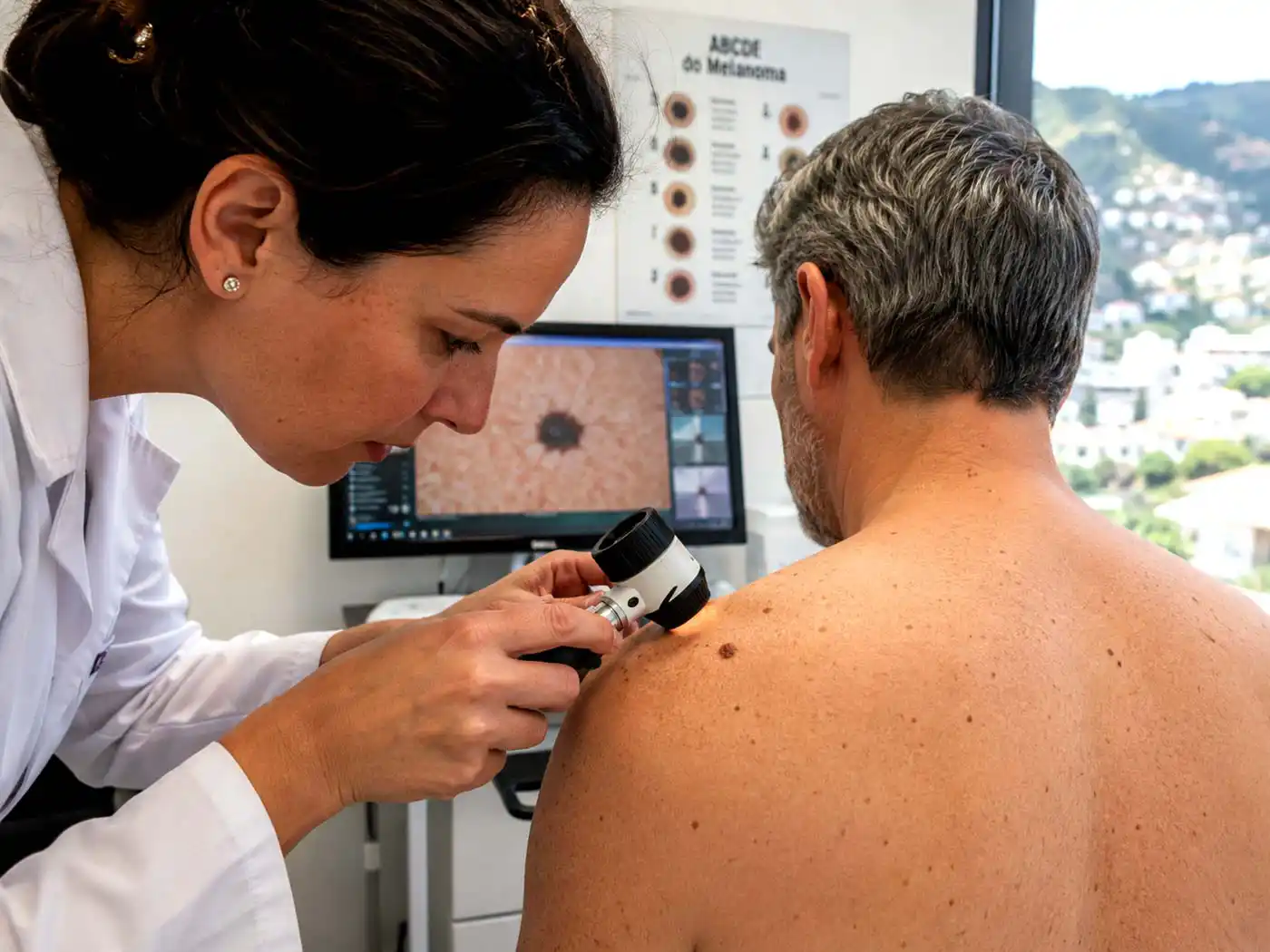
In 1995, doctors at a Madeira clinic performed the island’s first gender-affirming surgery, in which the patient transitioned from male to female - at the time, a highly complex procedure.


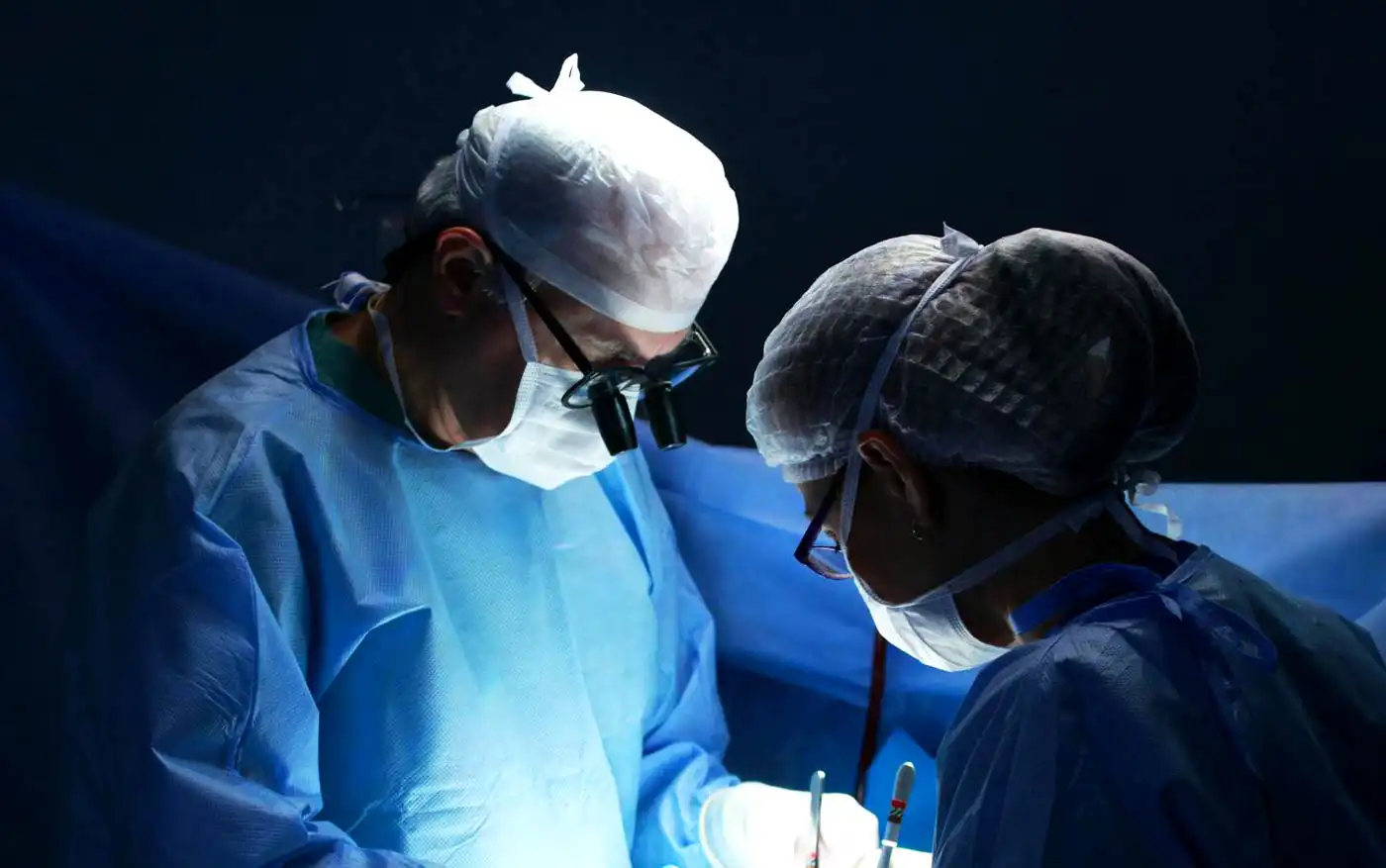
In 1995, doctors at a Madeira clinic performed the island’s first gender-affirming surgery, in which the patient transitioned from male to female - at the time, a highly complex procedure.
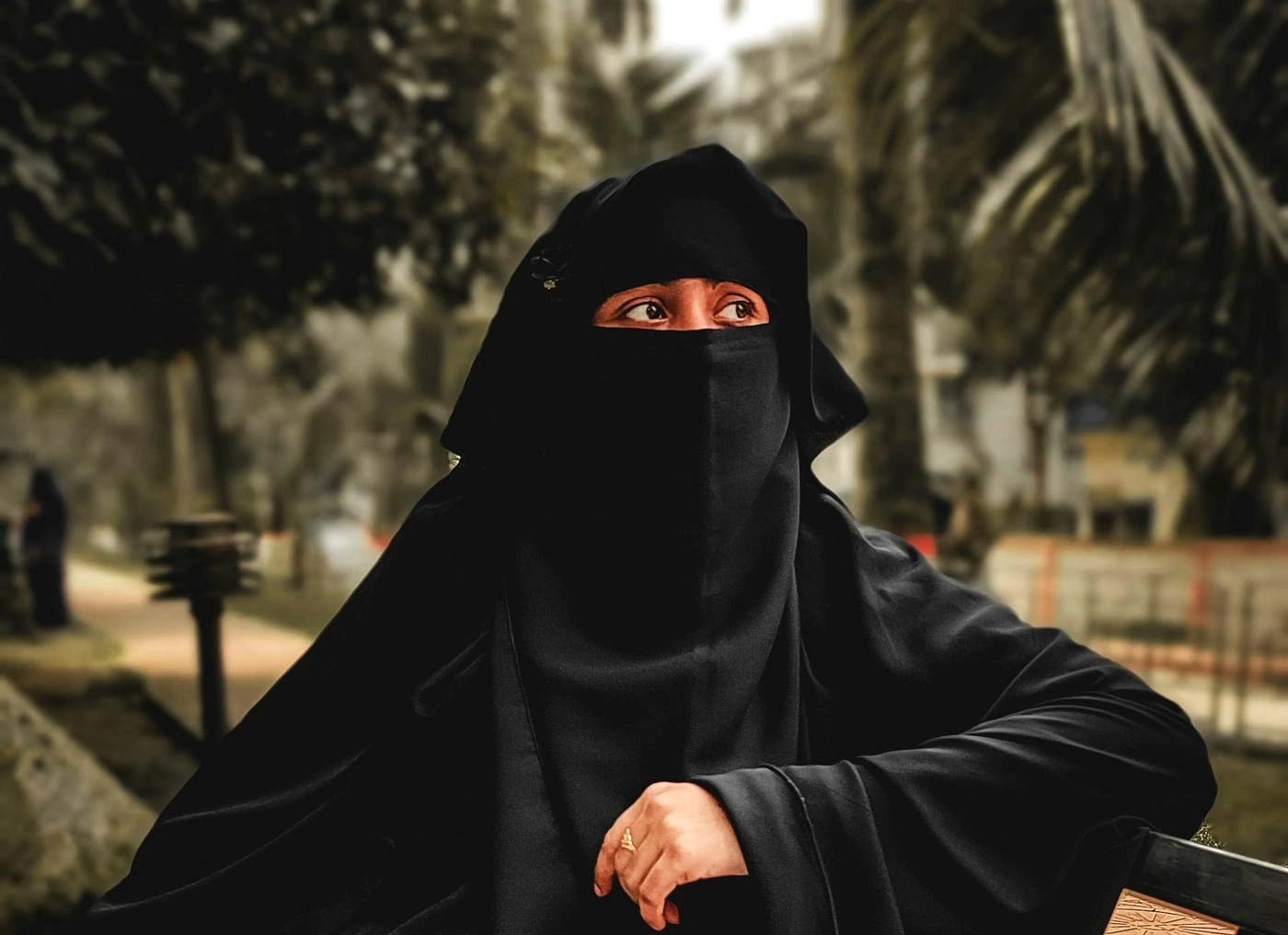
Portugal’s recent ban on the burqa and niqab is largely symbolic. While full-face veils are now restricted, more pressing issues - such as compulsory headscarves for girls and Chega’s statements affecting religious freedom - remain unaddressed.
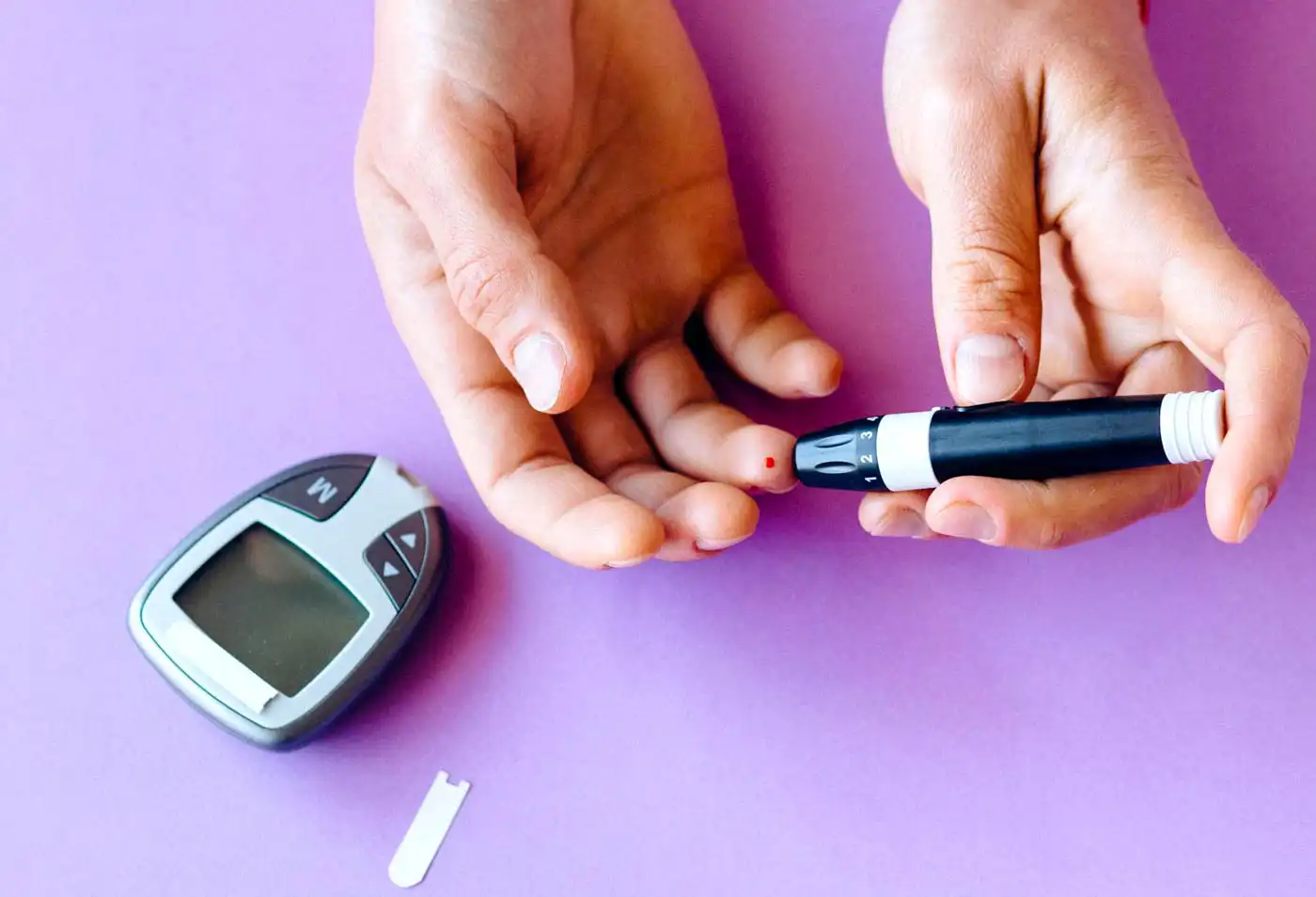
Diabetes affects 14% of adults in Madeira, far exceeding the European average of 9.8%. Authorities stress prevention, early detection, and lifestyle changes to reduce serious complications.

Early resistance is forming as people in Faial launch a petition against the president’s recently announced plans to build more golf courses across the island.

While no homeless people were identified in the North, Madeira recorded 177 individuals on the southern coast and aims to provide housing to 80% by 2030.

Chega's first mayor was involved in a physical altercation at a polling station, which was captured on video.

In Madeira, almost 30% of young people have sought psychiatric care, twice the rate of adults. Authorities warn that new psychoactive drugs pose an imminent risk to the mental health of young people.
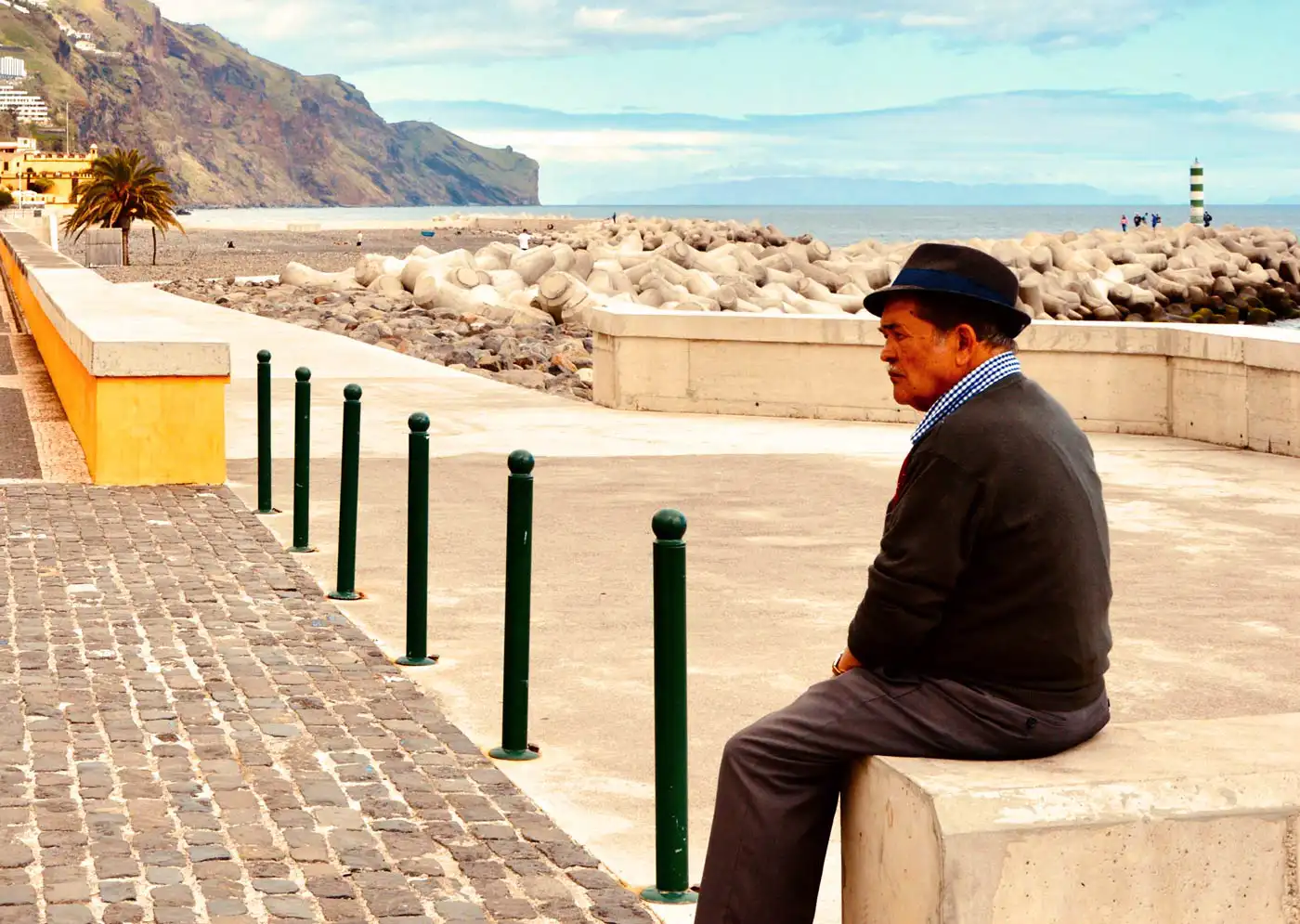
Madeira’s population is projected to decline sharply this century. Scenarios indicate a drop of over 50% by 2100, driven by aging, low fertility, and migration patterns.

Thirty Portuguese soldiers from Madeira will return to Romania in 2026, joining NATO allies to strengthen the alliance’s eastern flank close to Russia’s border regions.

Diamantino Pereira lost both legs in a motorcycle crash on August 27 and is now sharing his recovery journey online while adjusting to a new life and daily routine.