
Holiday Rental Rules in Madeira to Change by 2027
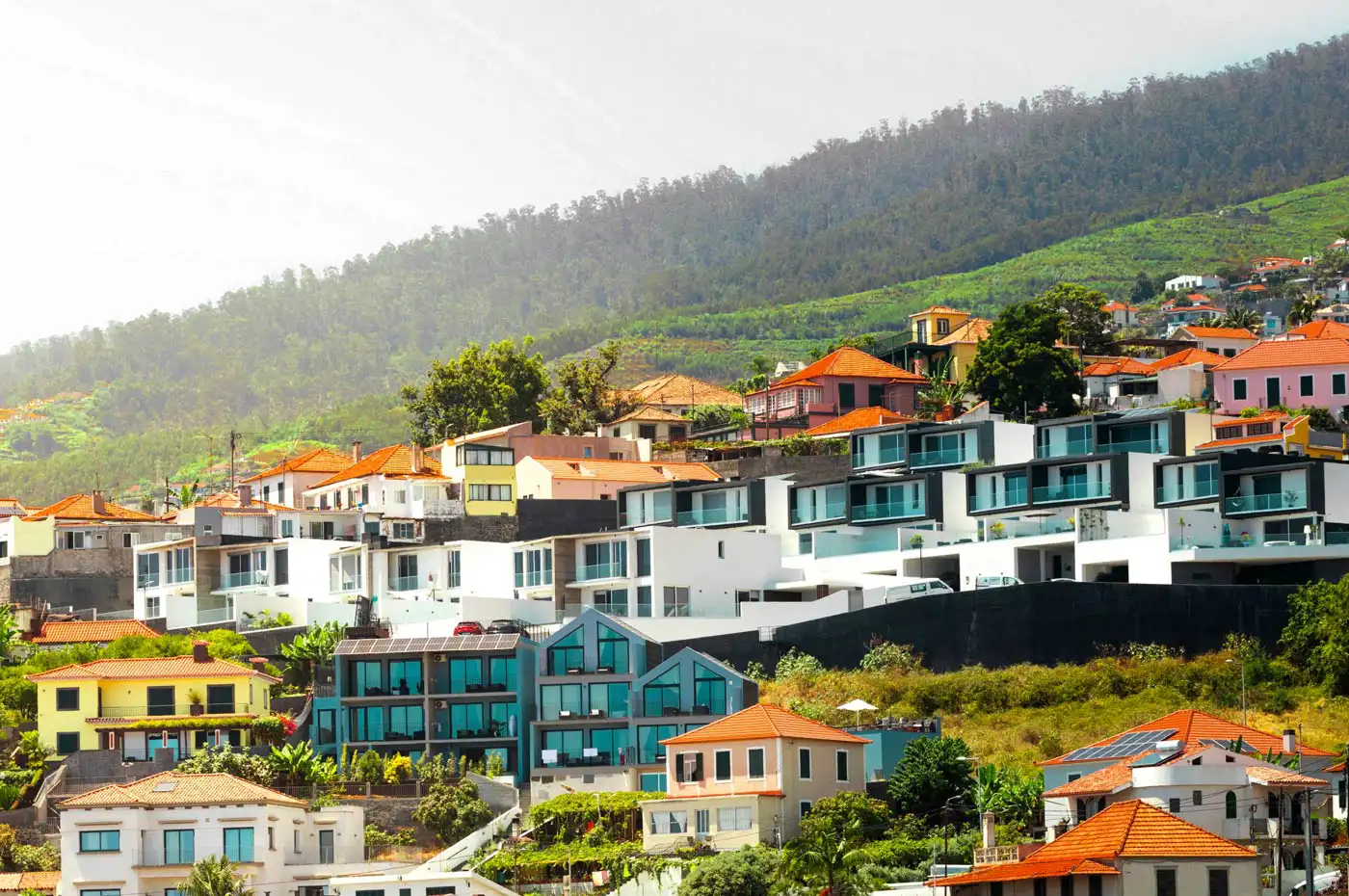
Madeira will revise its tourism strategy by 2027 to address the rapid rise in holiday rentals. The government plans new limits and rules to protect the local housing market.
With 35 new short-term rentals added every week, Madeira now represents 17% of Portugal’s new listings, reflecting a 74% growth compared to the first four months of 2024.
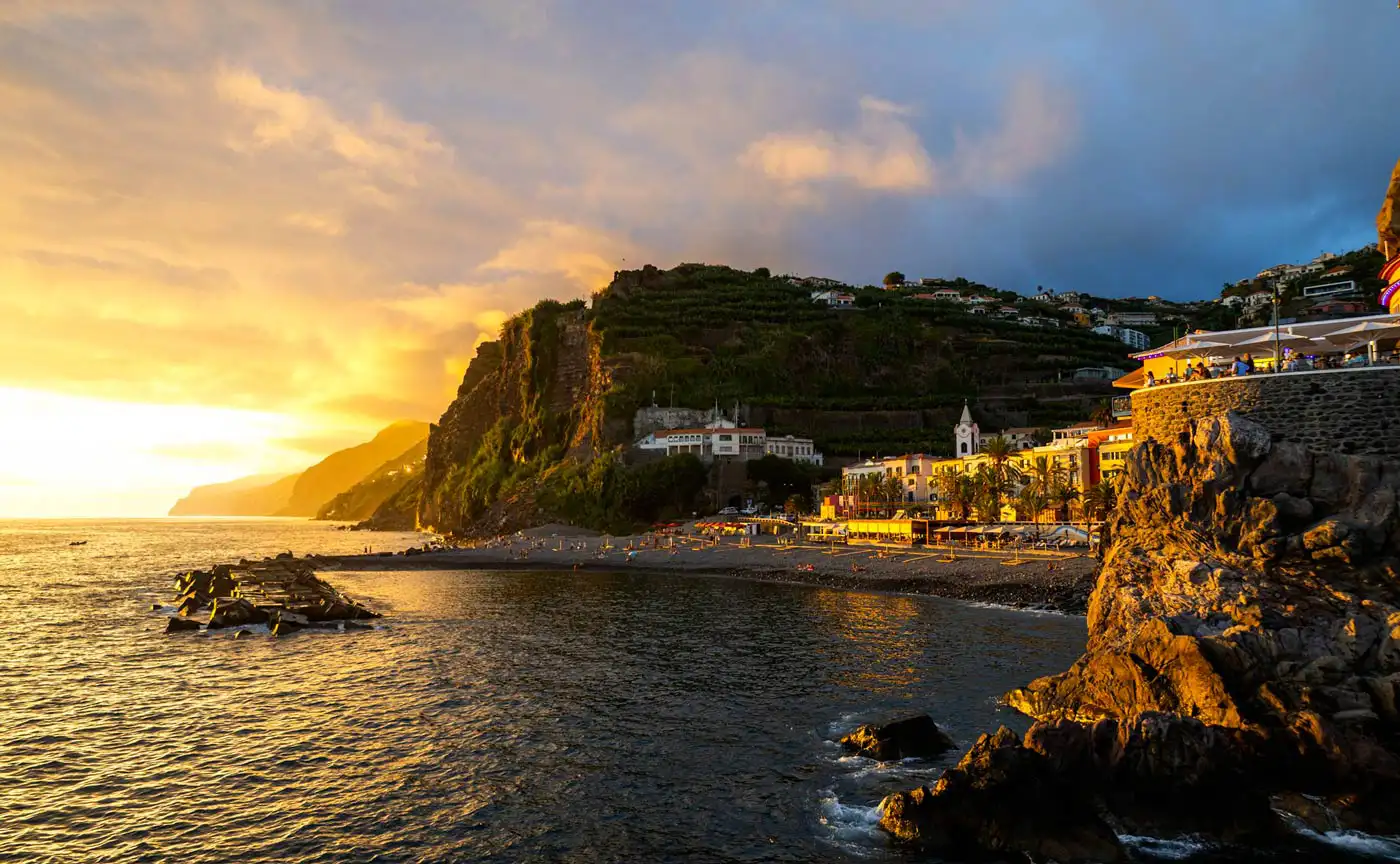
Madeira has been named "Best European Destination 2025" by readers of Viajes National Geographic, the Spanish edition of National Geographic Traveler.
A bizarre tent listing in Funchal popped up on Booking.com. With prices around €𝟮𝟬𝟬 and no reservations allowed, the listing - which is still online - raises questions.
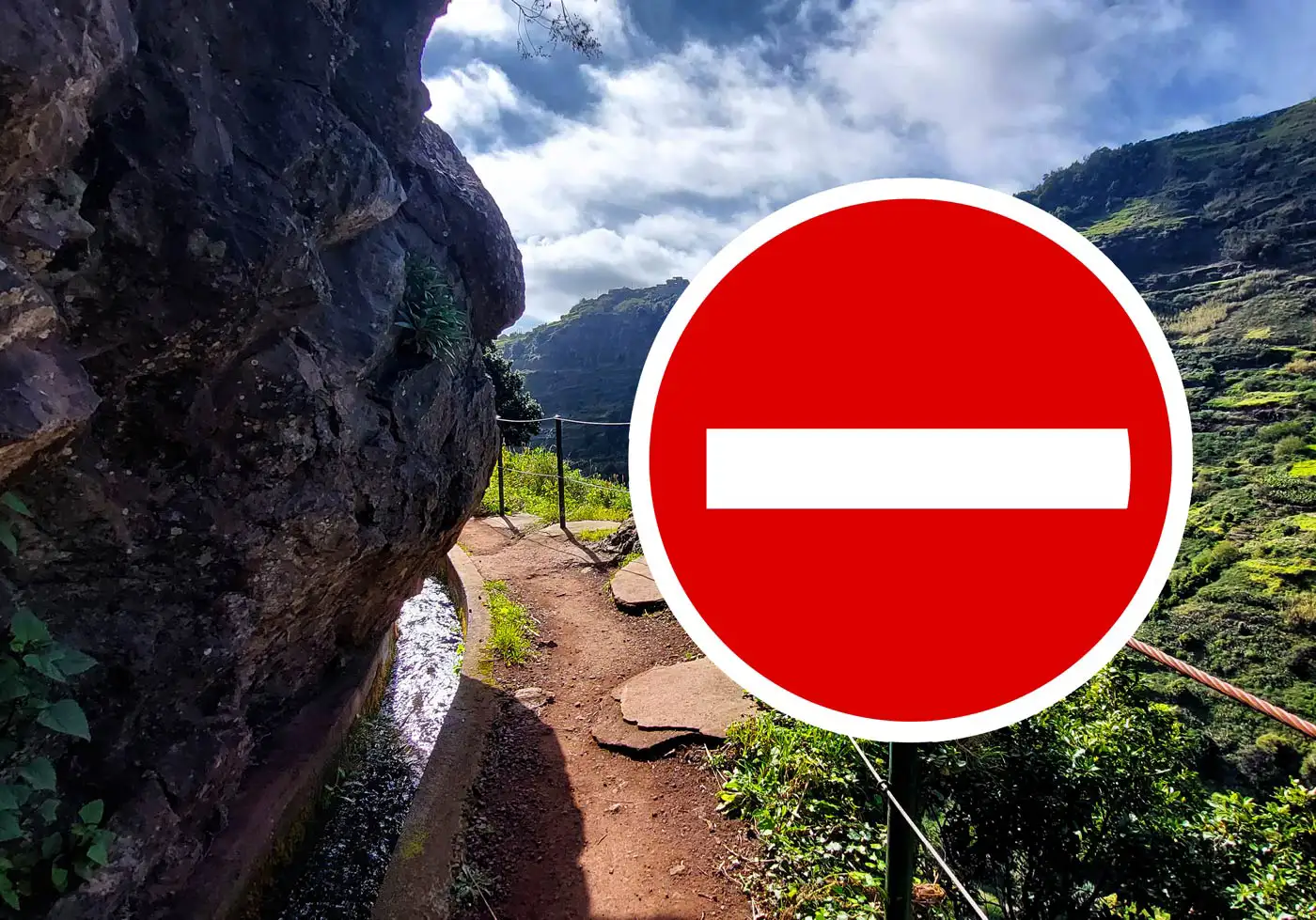
Trail fees brought Madeira €351,000 in just three months. Now that every popular hike comes with a charge, earnings are on track to hit the millions.
EasyJet informs that to receive the mobility subsidy, passengers must pay for their flight in full and later submit a document - available on the airline’s website - proving the flight was booked and taken.
U.S. tourists, who spend over €200 per day in Portugal, are set to travel less in 2025. Fears of recession, a strong euro, and border insecurities are creating uncertainty in the tourism sector.
Madeira is experiencing an exceptional Easter week in cruise tourism, with 13 ships bringing over 27,000 cruise passengers.
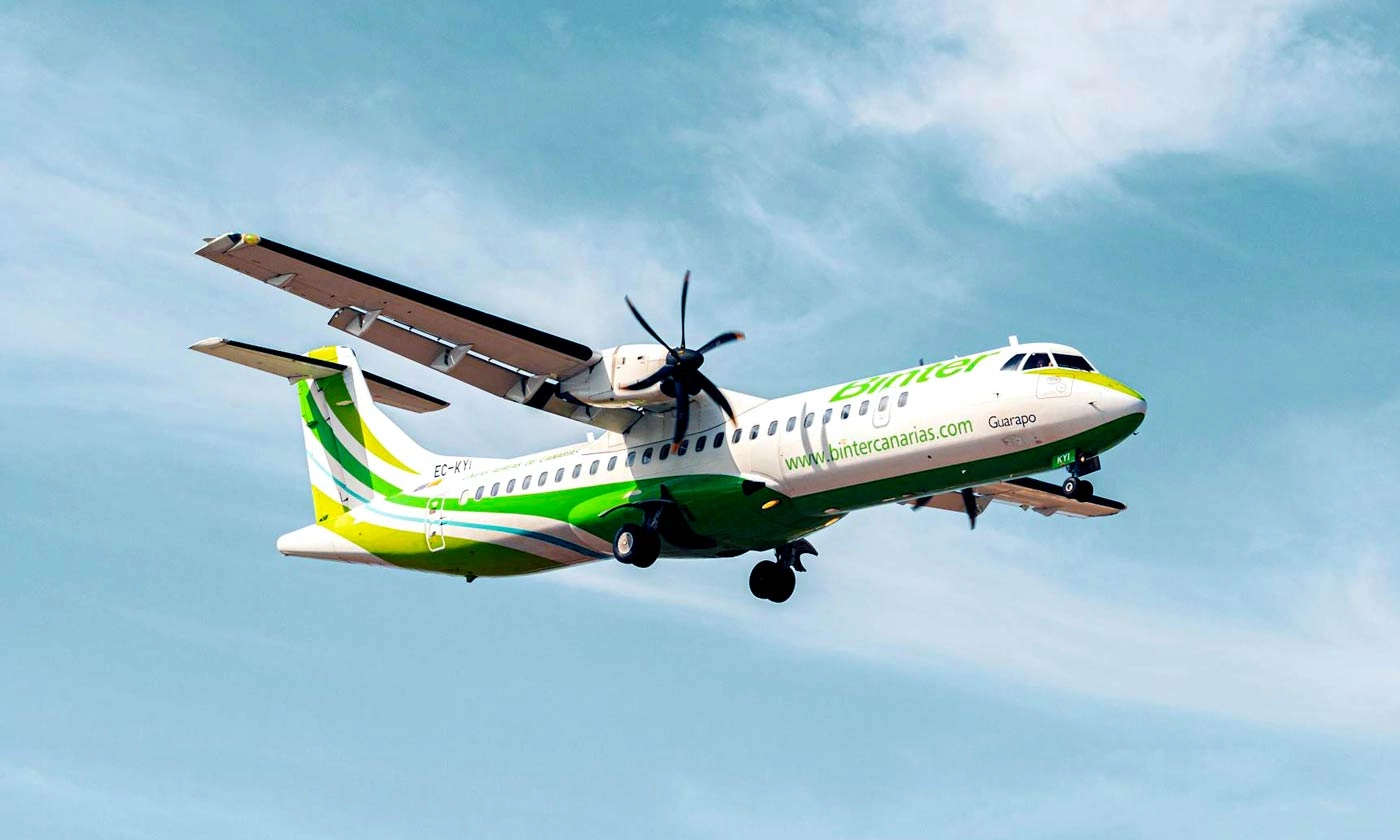
With a 442% increase in U.S. passenger tourism since 2015, TAP's new Funchal–Faro route, launching this June, could evolve into a year-round connection!
Madeira's cruise tourism reached new heights in the first quarter of 2025, with nearly 267,000 passengers visiting the island - a 19.64% increase compared to the first 3 months of 2024, whereas tourists and crew spent an average of €61.40.
Hotel workers in Madeira are protesting outside the parliament tomorrow, demanding fair wages. Organized as a symbolic “wake,” they are targeting tourists to highlight their ongoing struggle with the hotel industry.